
1950s
· The first commercially available synthesiser was developed by RCA
· The concept of additive synthesis was first developed
- Sine waves of varying frequencies and amplitudes are added together to create more complex sounds
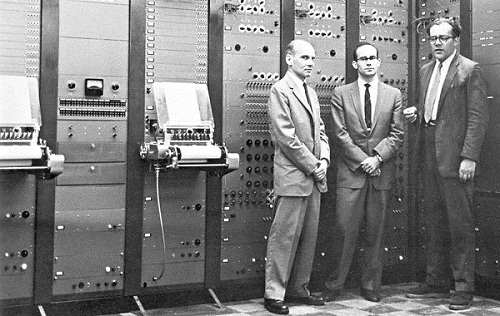
RCA Mark II Synthesiser
Early synthesisers were very large and expensive, limiting their accessibility
There were few synthesis methods available at this time outside of additive synthesis
1960s
· The first modular synthesisers were developed
· Wendy Carlos released the album “Switched-On Bach”, one of the first to make use of synthesisers
· Frequency Modulation (FM) synthesis and Subtractive synthesis were developed as other methods to synthesise sound
- FM Modulation involves using one (modulator) waveform to alter the frequency of another (carrier) waveform
- Subtractive synthesis involves using filters to remove targeted frequencies from a complex waveform
- Used commonly in analogue synths such as the Moog
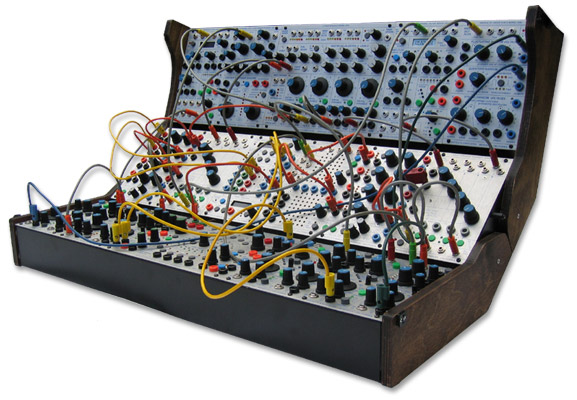
Buchla 200e Synthesiser
At this point in time, synthesisers were primarily used in experimental music and sound design
Many early synths were monophonic, restricting the number of notes able to played at once
Early modular synths required an extensive knowledge of electronics and signal flow in order to operated correctly
1970s
· Robert Moog developed the MiniMoog, a portable analogue synthesiser
· Polyphonic synthesisers were developed allowing for more multiple notes to be played simultaneously
· Digital synthesis was introduced
· Sample-based synthesis is developed following the advent of digital signal processing (DSP) technology
- Recorded sounds are used as the basis for sound generation instead of waveforms

Yamaha DX 7 (Digital FM Synthesiser)
The sound quality of digital synthesisers was criticised for its lack of warmth when compared to their analogue predecessors
1980s
· MIDI (Music Instrument Digital Interface) protocol was developed, allowing for multiple electronic instruments to be controlled from a single device
· New methods for synthesis were developed such as Wave Table synthesis and Phase Distortion synthesis
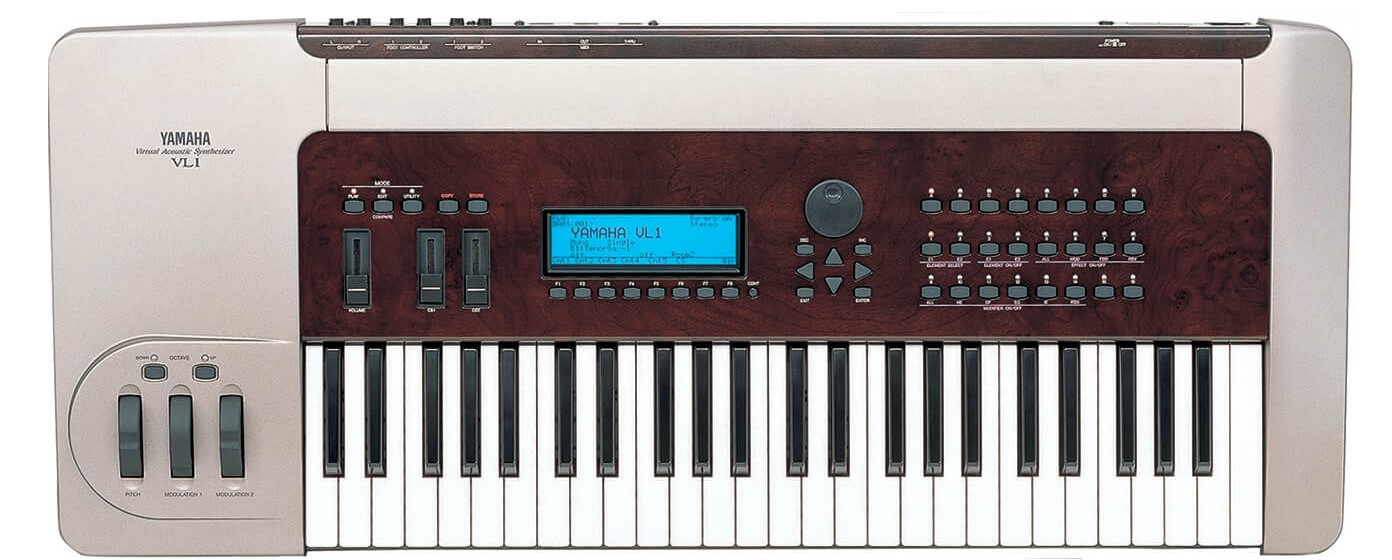
Yamaha VL1 Modelling Synthesiser
Early digital synthesisers were more widely available, but remained relatively expensive
Early software synthesisers were limited by the low processing power and small memory of computers at the time
1990s
· Virtual analogue synths were developed, allowing users to recreate the sound of analogue synthesisers using digital technology
· Granular synthesis was developed
- Short samples of audio would be combined to synthesise new sounds
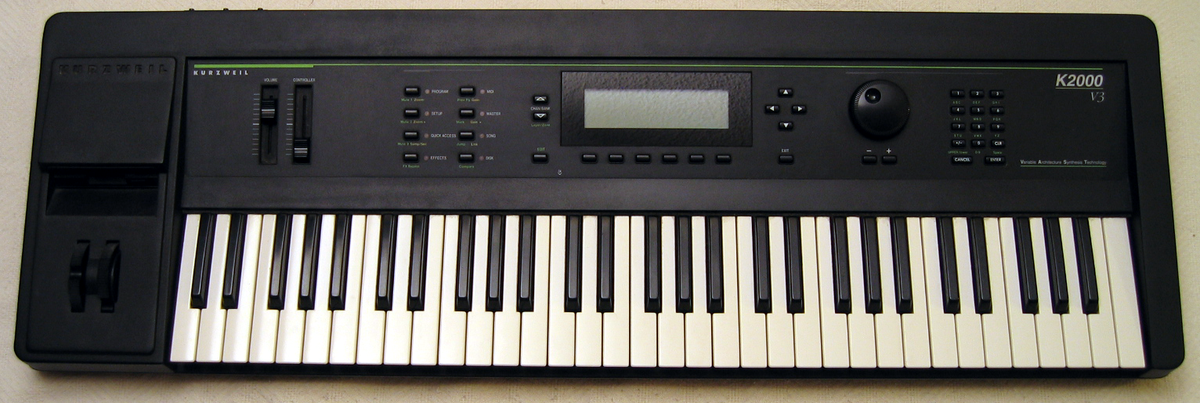
Kurzweil K2000 Granular Synthesiser
Many virtual instruments had limitations in the number of voices and effects that could be used at once
2000s
· DAWs and software synths became widely available, allowing for music to be easily produced from a single computer

Native Instruments Massive
Virtual instruments have limitations in terms of the realism and expressiveness of digital sounds compared to acoustic instruments
2020s
· New synthesis techniques using artificial intelligence are being developed
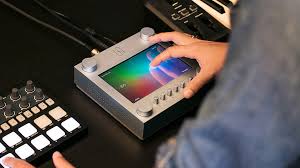
Google NSynth
The use of artificial intelligence to generate sound is still very much in its early stages, resulting in limited quality and control over the sounds that can be produced
Wider Context Topic Timelines – Synthesis
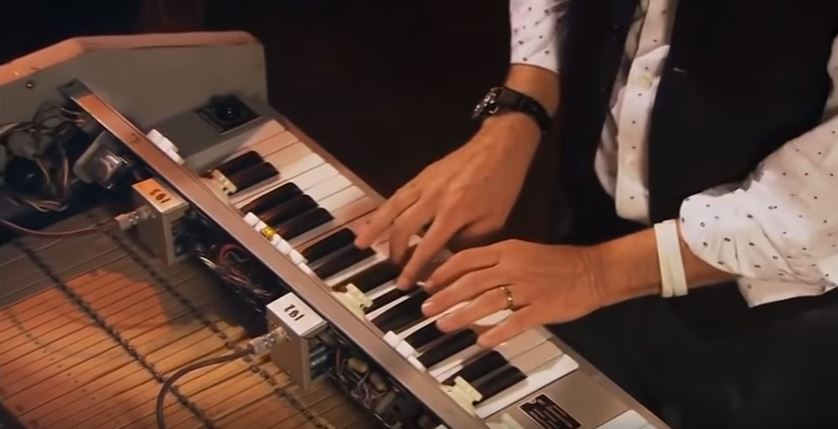
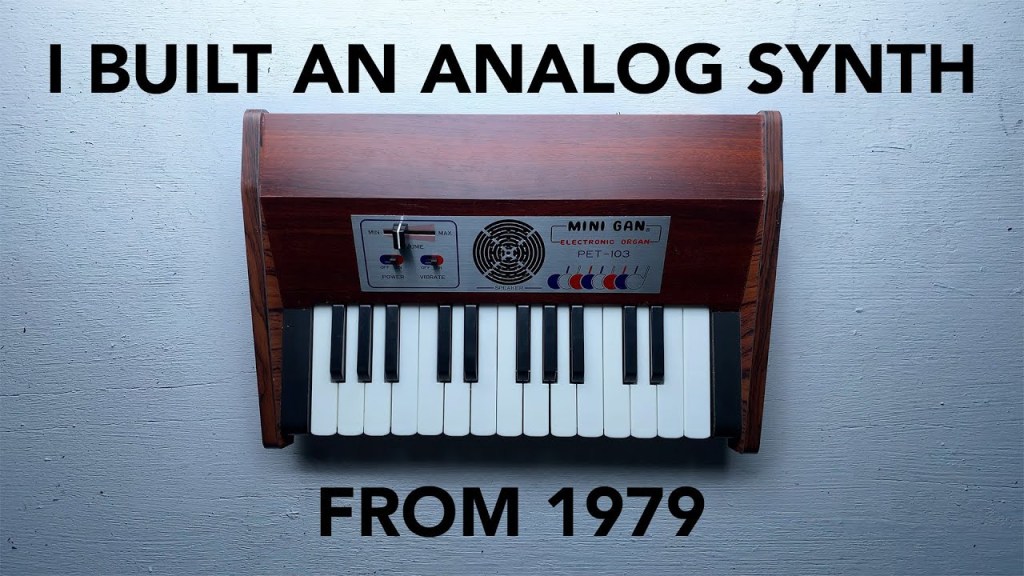
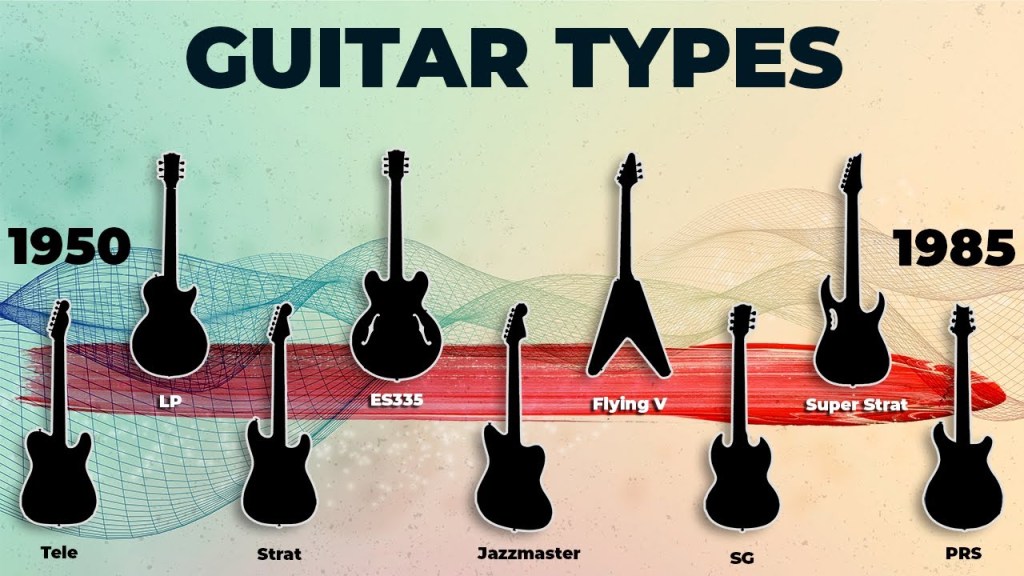
Why not check out one of these videos below to gain some wider knowledge:

 WLFS Music Technology