
1960s
• Modular hardware synthesisers began to be developed allowing for multi-part synthesiser arrangements to be performed
- This allowed for multiple instrumental parts for a song to be developed by a single person
• Robert Moog released the Moog Modular Synthesiser which came with an 8-step sequencer with three lanes, allowing it to create patterns of up to 24 steps
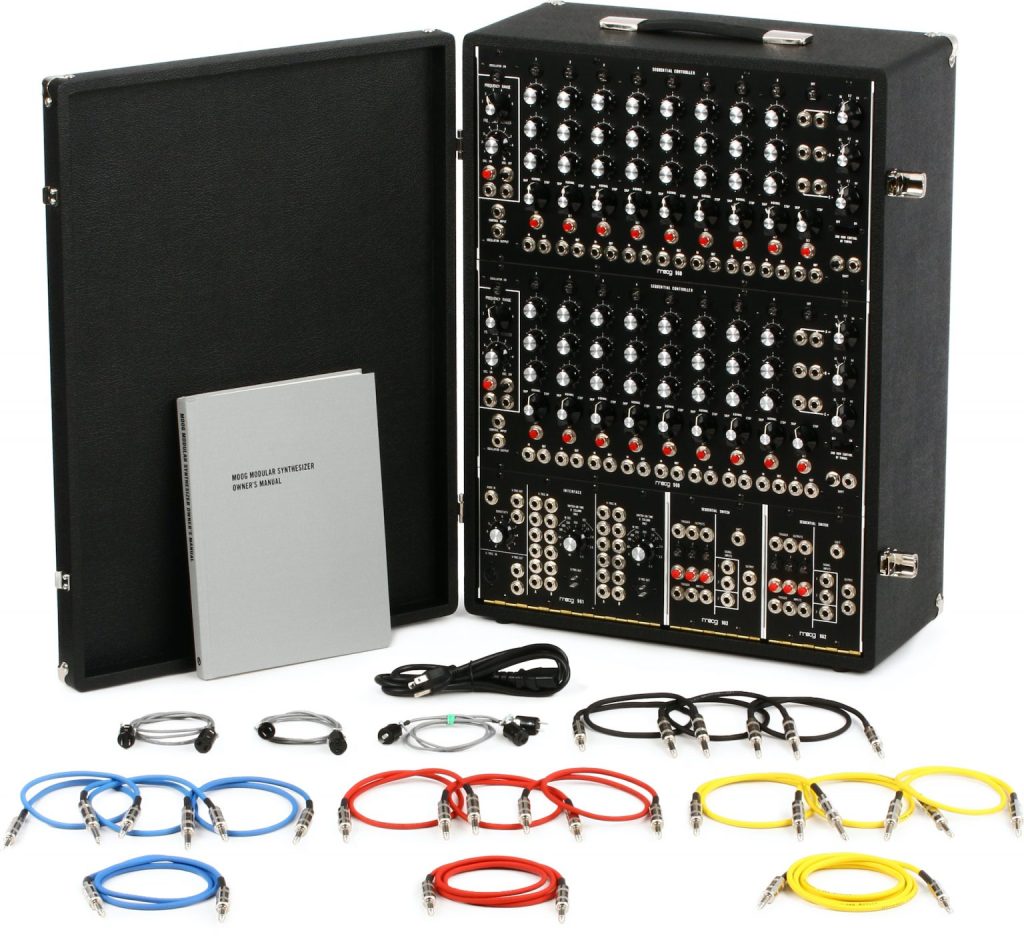
Moog Modular Synthesiser
Sequencing technology allowed for the creation of complex lines that would be difficult to be played live or be played by a human
1970s
• ARP Instruments developed more sequencers and synthesisers with more steps available (10-16 steps)
• Early digital sequencers began to be developed such as the Electronic Dream Plant Spider, a 252-step sequencer
- Digital sequencers allowed users to generate even longer sequences along with polyphonic sequences
• Sequencers began to cause musicians to shift away from using live/acoustic instruments such as drums and guitars
- The nature of sequencing technology encouraged the composition of music in blocks or loops as opposed to ‘on the fly’
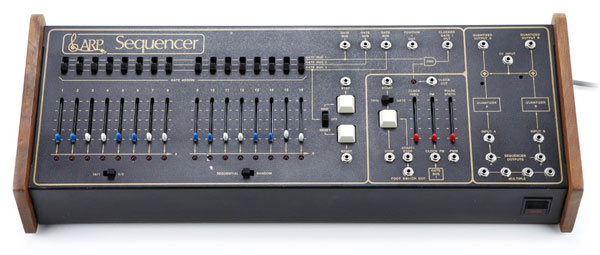
ARP 16-step Sequencer
Early step sequencers used analogue technology, meaning they relied on control voltages to control parameters such as pitch, tempo and modulation
1980s
• The introduction of MIDI in the early 80s prompted the production of the first MIDI sequencer: the Roland MSQ-700
- MIDI allowed for sequencers to control various instruments at once such as synthesisers and drum machines
- MIDI also allowed for those instruments to be easily connected to one another and used at the same time
• Sequencers were now able to sequencer multiple instruments at once as well as store pre-set sequences and apply quantisation
• In the late 80s, Akai released the MPC (MIDI Production Center) -60, which was a sequencer, sampler and performance instrument combined
- This was instrumental in the development of Hip-Hop and Pop music and laid the foundations for modern production workstations
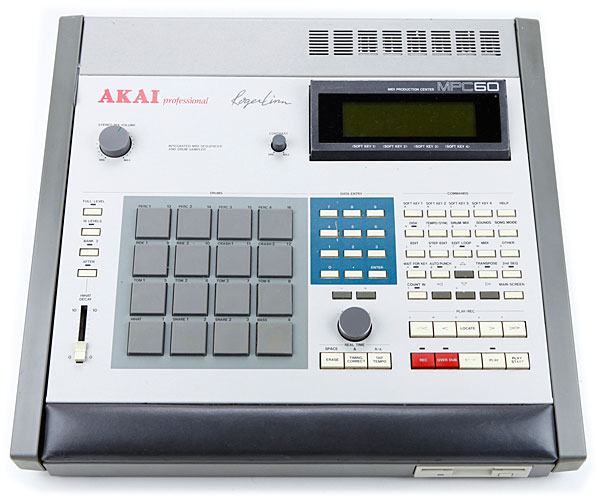
Akai MPC-60
The addition of MIDI to sequencers allowed for faster, non-destructive editing as well as control over more parameters such as pitch-bend
1990s
• The Fairlight CMI released in 1979 was a glimpse into the future of software sequencing technology, however, its high price point caused it to only be available to few people
• There were considerable advancements in computer processing power and computer memory towards the end of the 90s, allowing for more people to take advantage of the potential software sequencers
• MIDI sound cards allowed for MIDI processing on a computer, prompting the industry to focus more on ‘in-the-box’ MIDI music production
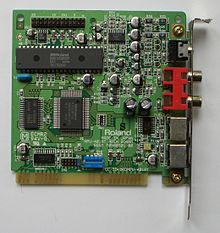
Roland MPU-401 MIDI Sound Card
The development of software sequencers allowed for sequencing, sampling, recording and effects processing to all be handled natively on a computer
2000s
• In modern times, music production mostly uses DAW sequencing technology
• The development of more sophisticated pitch and rhythm processing technology allows for easier correction of pitch/rhythm errors and the ability to quantise tracks
- This in turn has led to the production of songs with ‘perfect’ sounding pitch and rhythm causing them to sometimes lack a natural/human feel

Logic Pro Step Sequencer
Wider Context Topic Timelines – Sequencing
Why not check out one of these videos below to gain some wider knowledge:
 WLFS Music Technology