
1940s
analogue sampling
• Sounds would be captured onto tape and then manipulated in various ways
- Reversing the playback direction of the tape
- Altering the speed of the playback
- Combining and layering sounds
• Pierre Schaeffer develops one of the first forms of audio sampling, ‘musique concrète
- Pieces of tape would be spliced (cut and stuck back together) and looped to create interesting sonic ideas

Pierre Schaeffer using analogue sampling techniques
Early analogue samplers tended to be generally expensive, heavy, inflexible and had a limited range
1960s
• The Mellotron was developed in 1963 and was widely considered the first sample-based instrument
- It was used by various famous artists, most notably including The Beatles, David Bowie and Oasis
- It worked by using banks of samples pre-recorded onto magnetic tape and spliced to create loops
- When a key was pressed, the tape head would make contact with the tape assigned to that key and would play

Mellotron
The speed and pitch of a sample recorded to tape were linked and could not be changed independently from one another
1970s
digital sampling
• The introduction of digital units such as the Fairlight CMI and Roland TR-909 is where the term ‘sampling’ was actually coined
• Digital samplers were able to process audio that had be converted into a digital file through the use of binary data
• Digital samplers were able to record audio as a one-shot, single note sample or as a longer musical expert or short loop
• Early digital samplers suffered from a limited memory
- To compensate for this, the bit-depth and sample rate of the audio being sampled would be lowered to decrease the file size
- Early drum machines were able take advantage of this limited memory as they only required short, single pitch samples that had small file sizes
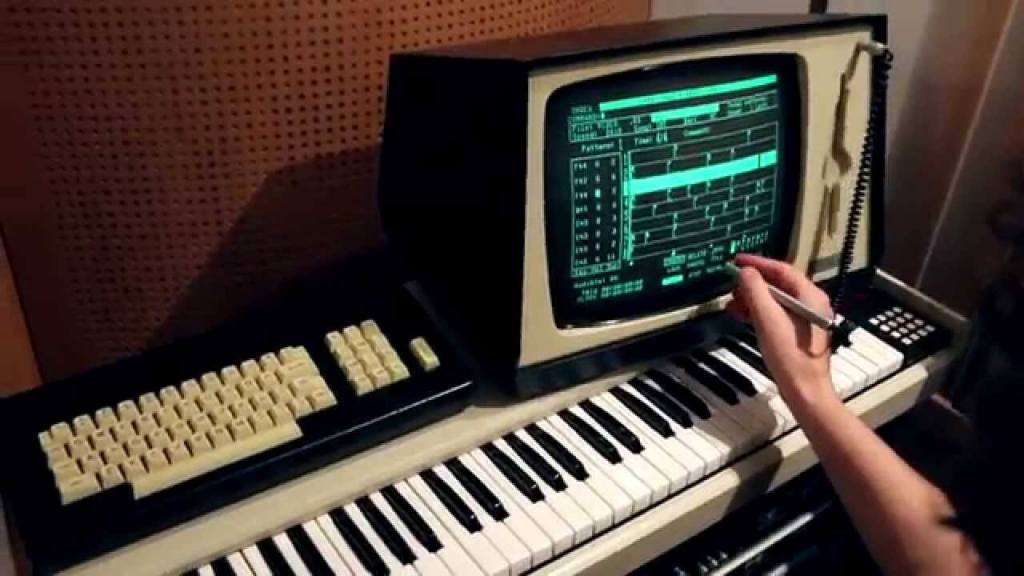
Fairlight CMI
Digital samplers were able to store samples either to be ready to playback or to undergo further processing and manipulation via effects
1980s
• Hybrid synthesisers such as the Korg M1 and Roland U-110 combined the use of short samples along with digital synthesis to help create more realistic instrument sounds
• The release of the E-mu SP-1200 helped popularise the use of samplers in Hip-Hop music
• The release of the Akai MPC60 was also extremely influential in the world of Hip-Hop sampling
- Akai developed a lot of processing techniques used in modern samplers such as crossfade looping and time-streching

Akai MPC60
The speed and pitch of samples were now able to be controlled independently from one another
2000s
software sampling
• The line between samplers and synthesisers has blurred in recent years
- Samplers are now able to use synthesis parameters such as filters, envelopes and LFOs
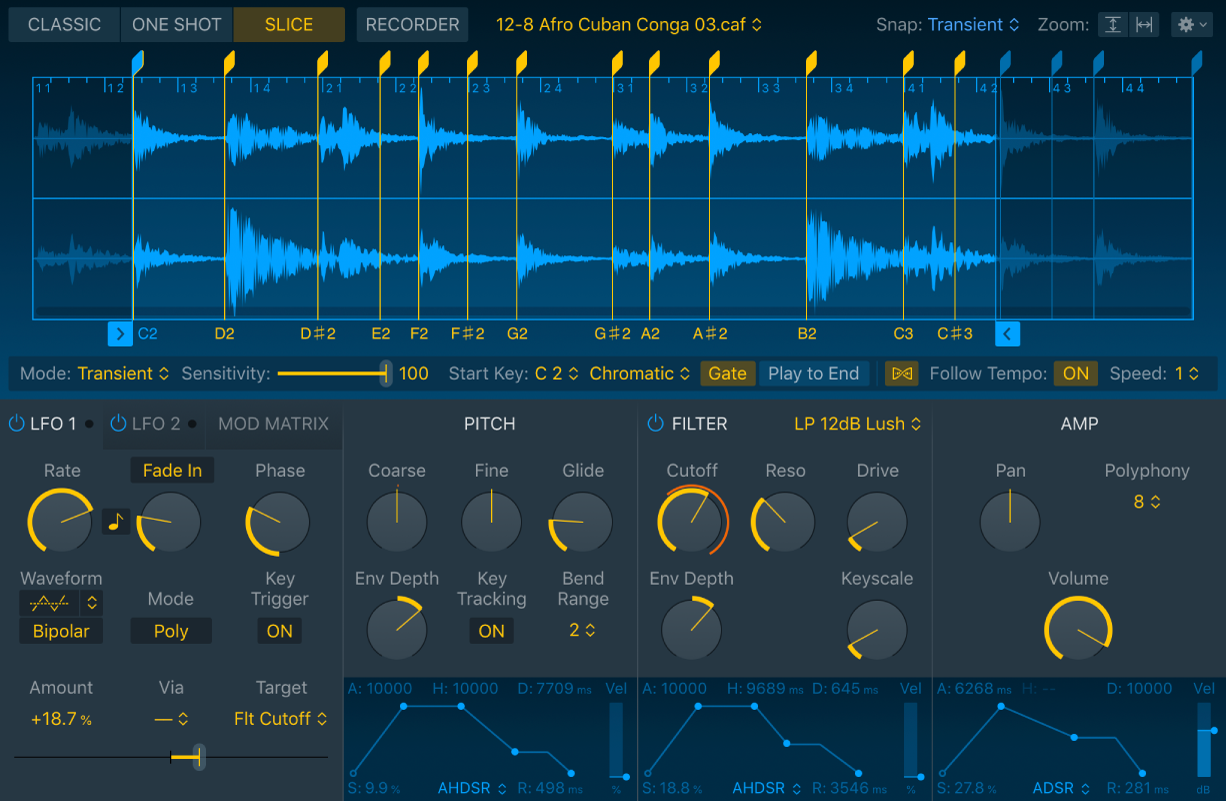
Sampler plug-in in Logic Pro
Advancements in computer power and memory capacity made it possible to improve the quality of samples
Wider Context Topic Timelines – Sampling
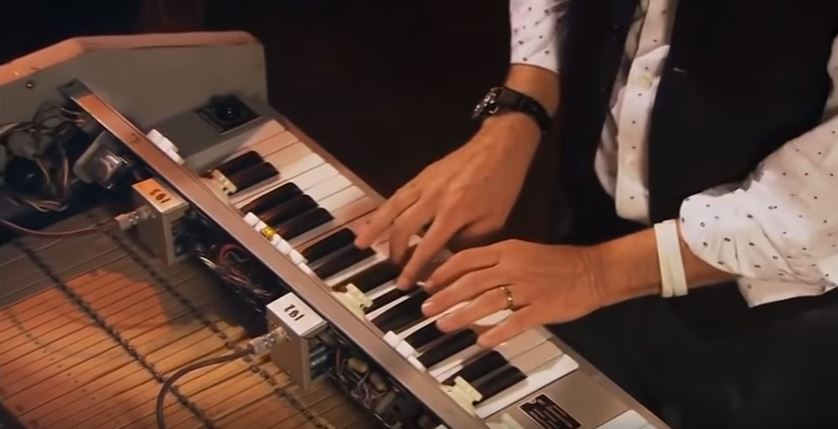
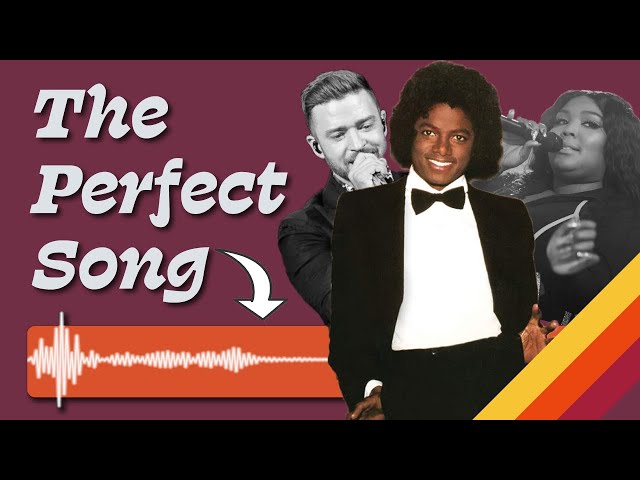
Why not check out one of these videos below to gain some wider knowledge:
 WLFS Music Technology