
1930S
Natural Reverb
• Reverb would be captured at the time of the recording in live rooms with varying reverberation characteristics
• Earliest form of reverb
• The resulting reverb is affected by various factors:
• Size of the room
• Angles of the walls/Shape of the room
• Distance/Height of the microphones
• Materials in the room
• The more reflective, the longer/brighter the reverb
• The more absorbent, the shorter the reverb time
Reverb can’t be easily removed after initial capture
Reverb settings can’t be easily adjusted
Chamber Reverb
• A dry recording would be played back and recorded in a reverberant space to add ambience
• Spaces included stairwells, concrete basements and churches
• The wet sound is blended with the dry signal
• Usually recorded using omnidirectional microphones
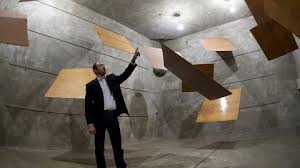
Echo Chamber
More control over levels compared to natural reverb
1930s/40S
Spring Reverb
• Audio is sent through metal springs
• Analogue and mechanical reverb
• Reverb has a ‘bouncy’ sound
• Featured dampeners to change the reverb time
• Commonly used in amplifiers for Hammond organs and guitars
• Added after recording to close miked/dry tracks
• Mid frequency focused/Lack of high frequencies
• Mono, later versions supported stereo
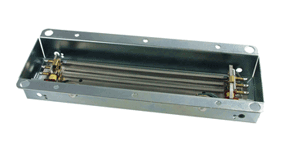
Accusonics Type 4
Spring reverb is cheaper than plate reverb
1950S
Plate Reverb
• Audio is sent through a metal sheet suspended in a frame
• Creates a reverb with a ‘smooth’ and ‘bright’ tone
• Featured dampeners to change the reverb time
• Commonly used on vocals and drums
• Added after recording to close miked/dry tracks
• Has a short pre-delay
• Mono, later versions supported stereo
• Would only be found in studios due to its large size and price

EMT 140
Plate is more sonically desirable (less metallic)
Late 1970s/80S
Digital Reverb
• Reverb is created using mathematically calculated delays (algorithms)
• Filters are added to make reverb sound more ‘natural’
• Added after recording to close miked/dry tracks
• Rack-mounted hardware
• Able to tempo sync and use more precise settings
• Stereo
• Filtered reverb was possible
• Gated, reverse and non-linear reverbs were possible
• Easily adjustable settings such as pre-delay and decay time
• MIDI compatible
• Can be used live

Lexicon 224
Became software plug-ins as processors developed
Late 1990s
Plug-Ins
• Reverb is created using mathematically calculated delays (algorithms)
• Can be used in multiple instances/multiple tracks
• Emulated hardware units
• Able to tempo sync and use more precise settings
• Stereo
• Filtered reverb is possible
• Gated, reverse and non-linear reverbs are possible
• Easily adjustable settings such as pre-delay and decay time
• Automation of parameters is possible
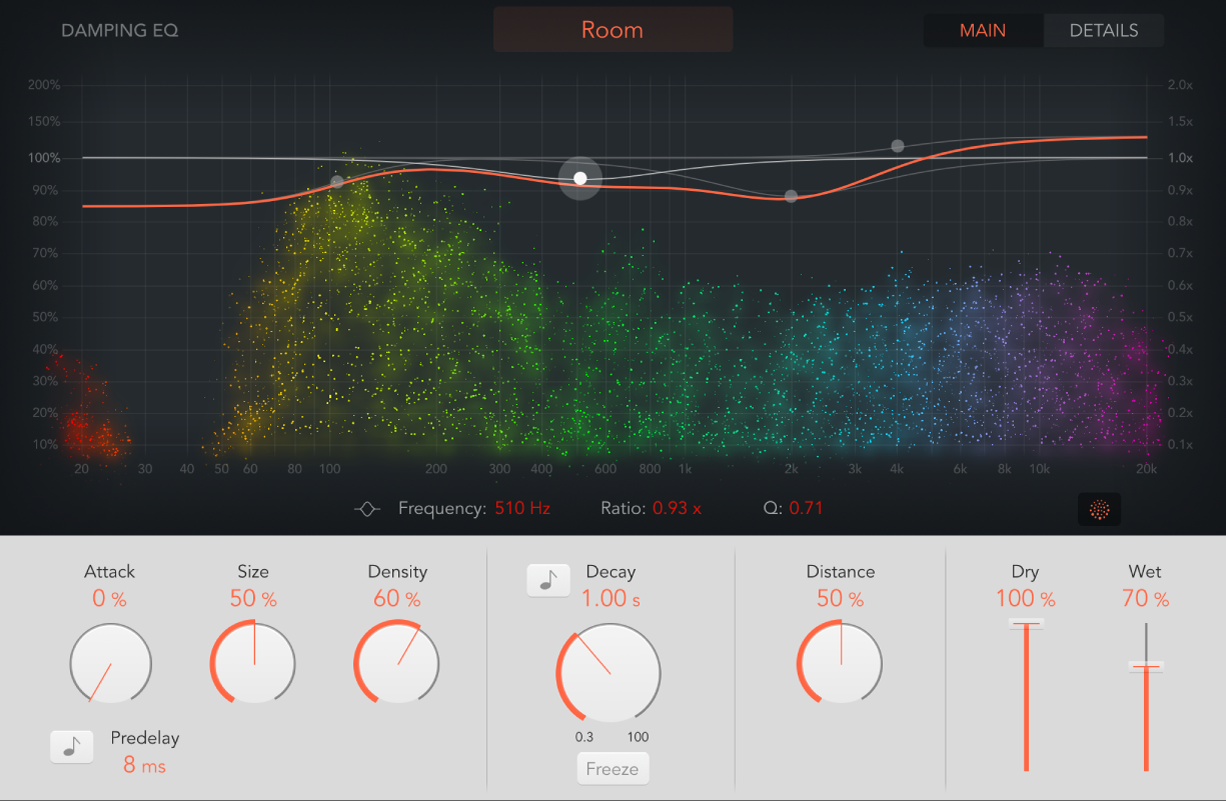
ChromaVerb in Logic Pro
Allows for the storage of pre-sets
1990S
Convolution ReVerb
•Reproduces a real reverb from an existing space
•An impulse response is recorded in a room
• Used in sound design and computer games
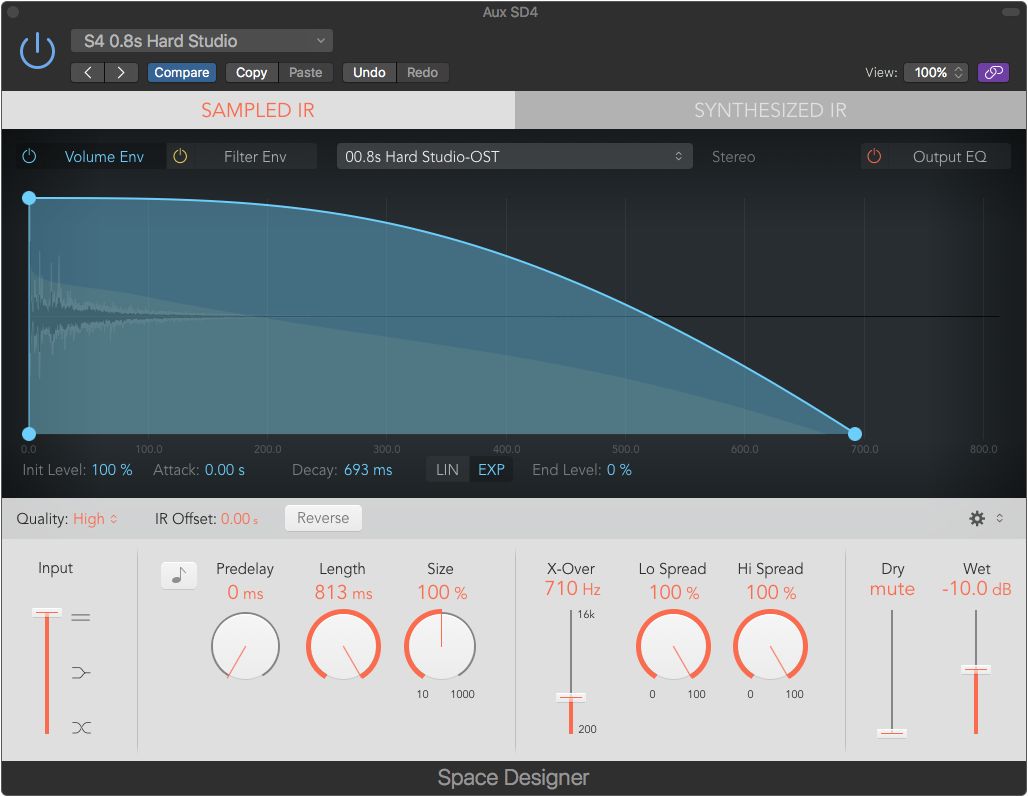
Space Designer in Logic Pro
Heavy on processor usage
Wider Context Topic Timelines – Reverb
Why not check out one of these videos below to gain some wider knowledge:

 WLFS Music Technology