
1970s
• Low fidelity sounds in music and the distortion/degradation of a signal was usually avoided
- The term ‘lo-fi’ originally referred to an undesirable signal-to-noise ratio usually due to a low quality recording on cheap equipment with audible imperfections such as background noise or performance mistakes
• Unwanted noise was difficult to avoid in earlier recordings due to the limitations of recording technology of the era
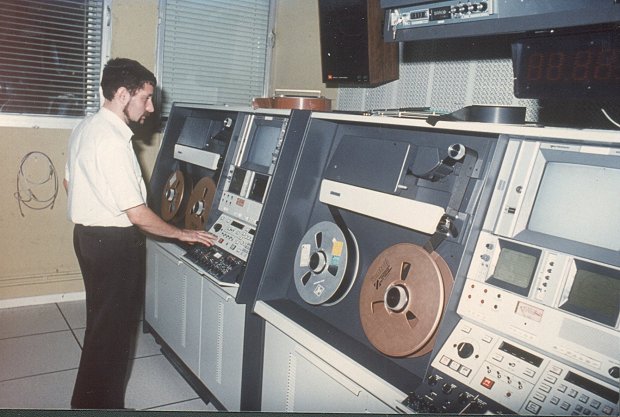
Analogue Tape Recording
Lo-fi sounds and effects were not regarded as desirable and not used creatively until the 80s
1980s
• Lo-fi began to be known as a more ‘authentic-sounding’ form of music production
- Artists from many different genres of music (Punk, Indie Rock, Hip-Hop etc.) began to be drawn towards the sound of lo-fi production for various reasons such as affordability and ethics
• Distortion effects were one of the first examples of deliberate degradation of an audio signal
- These sorts of effects added harmonics to the signal resulting in a grittier, more powerful sound
• Other methods of creating lower fidelity sounds included:
- Tape delay
- Passing sounds through mechanical processors such as rotary cabinets
- Restricting the frequency response of a signal (Telephone EQ)
- Adding found sound from various sources such as clips from TV and radio
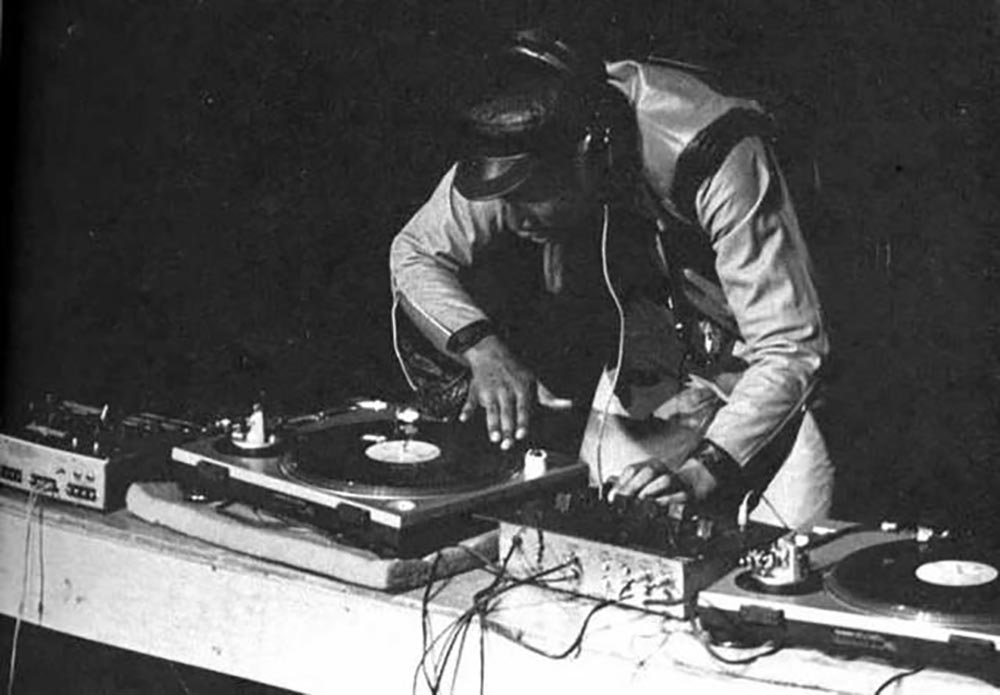
DJ scratching with vinyl records
The rise in the use of lo-fi production techniques was in part a reaction to the more clean cut/sterile nature of digital production
1990s
• The development of DAW technology allowed for easier implementation of lo-fi production techniques
- Digital distortion/bit-crushing
- Stuttering/Imperfect loops on a sampler
- Adding sweeping high pass filters to build-up sections of dance music tracks
• Producers would also try to emulate the limitations from older recordings by using vintage technology
- Ribbon microphones to create a duller timbre
- Tube/Valve technology
- Using older samplers with limited bit-depths and sample rates
- Ambient capture of instruments like drums to capture background noise
- Recreating analogue artefacts such as vinyl crackle, wow and flutter
- Re-recording tracks to tape to add saturation creating analogue warmth
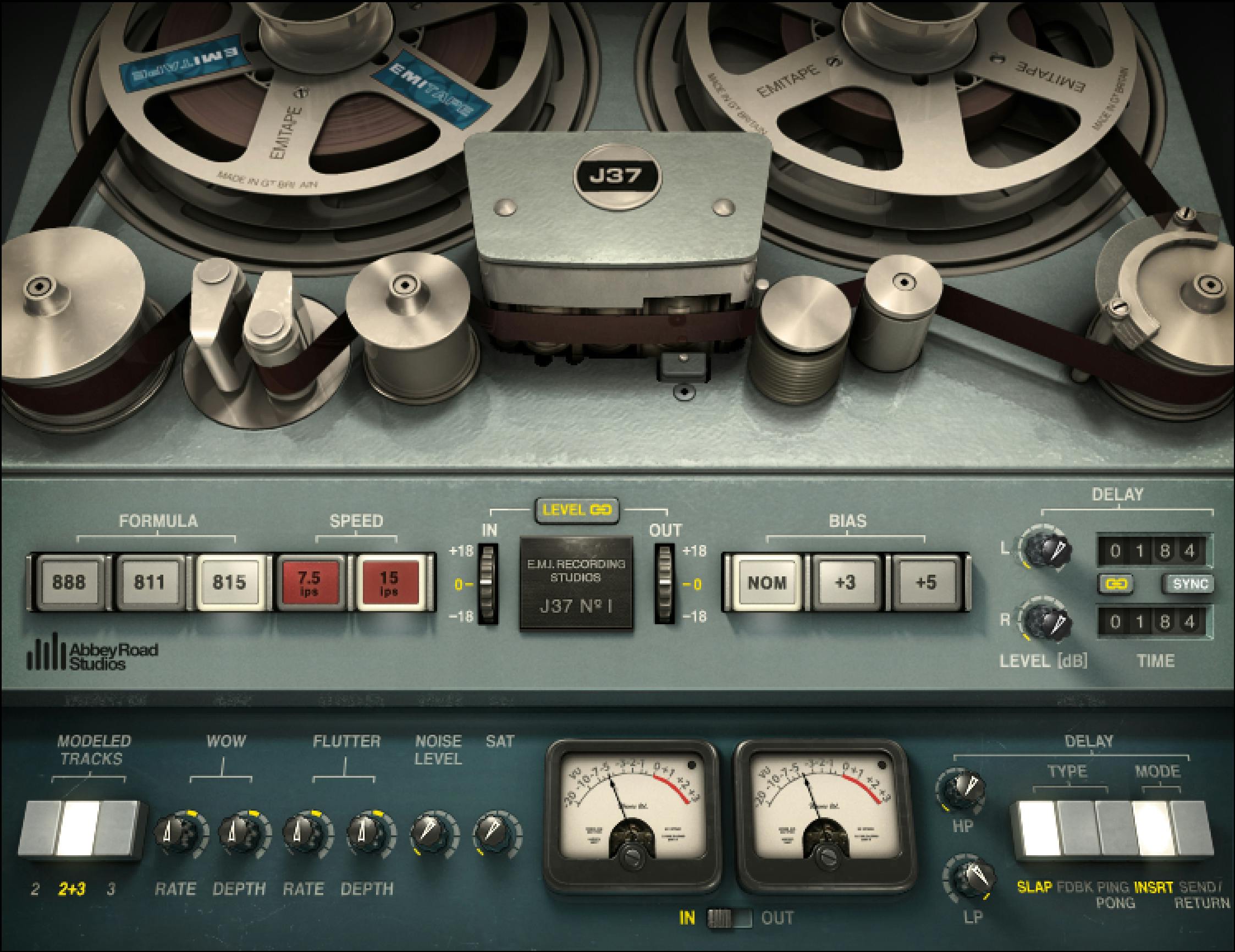
Abbey Road J37 Tape Saturation plug-in
Digital technology would be used to emulate older analogue techniques such as convolution technology being used to model vintage hardware or software plug-ins being used to emulate the degradation of the signal due to analogue recording/playback mediums
Wider Context Topic Timelines – Lo-fi
Why not check out one of these videos below to gain some wider knowledge:
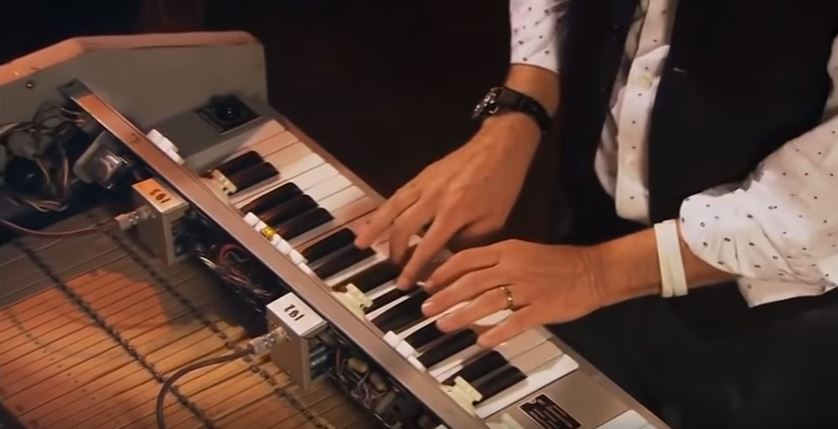
 WLFS Music Technology