
1940s
• The DeArmond Trem Trol 800 Tremolo effects pedal was developed in 1948 and was the first commercially produced standalone guitar effects unit
- The effect was created by passing the signal through a conducting fluid (Mercury) that moved in a motorised cylinder which would periodically cut off the signal

DeArmond Trem Trol 800
This method of using electrostatic fluid in a effects unit was dangerous to the performer
1950s
• Amplifiers began to come pre-packaged with effects such as tremolo, vibrato reverb and delay
- Guitarist would use these controls to create famous effects such as ‘slapback delay’
• Distortion controls were not as widely integrated into amps at this point, leading to artists creating the effect by overdriving the amps through high gain settings or slashing the cones of the amps
• Standalone guitar effects units at this point would have been powered using vacuum tubes

WEM Copicat IC300 Tape Delay Unit
Vacuum tube effects units were bulky, expensive, fragile and not very practical for live performance scenarios
1960s
• Transistor chips were being developed and were becoming more widely available
- This lead to the development of more portable and cheaper standalone effects units
- The Maestro Fuzz Tone pedal was the first effects pedal to use transistors instead of valves (vacuum tubes) as well as being the first standalone distortion pedal
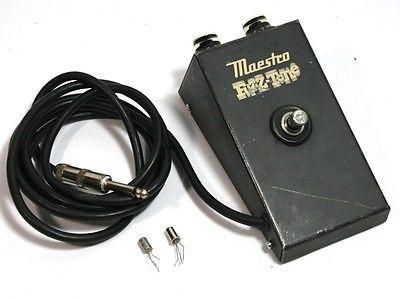
Maestro Fuzz Tone Pedal
• The assortment of pedals available expanded rapidly by the end of the 1960s to include effects such as wah-wah, chorus, phaser
The wide availability of new guitar effects had a big impact on the sound of the electric guitar in the 60s
1970s
• The manufacture of solid-state (transistor) effects units had massively increased
• Musicians began to experiment with combinations of different effects by daisy-chaining different pedals together to achieve unique sounds
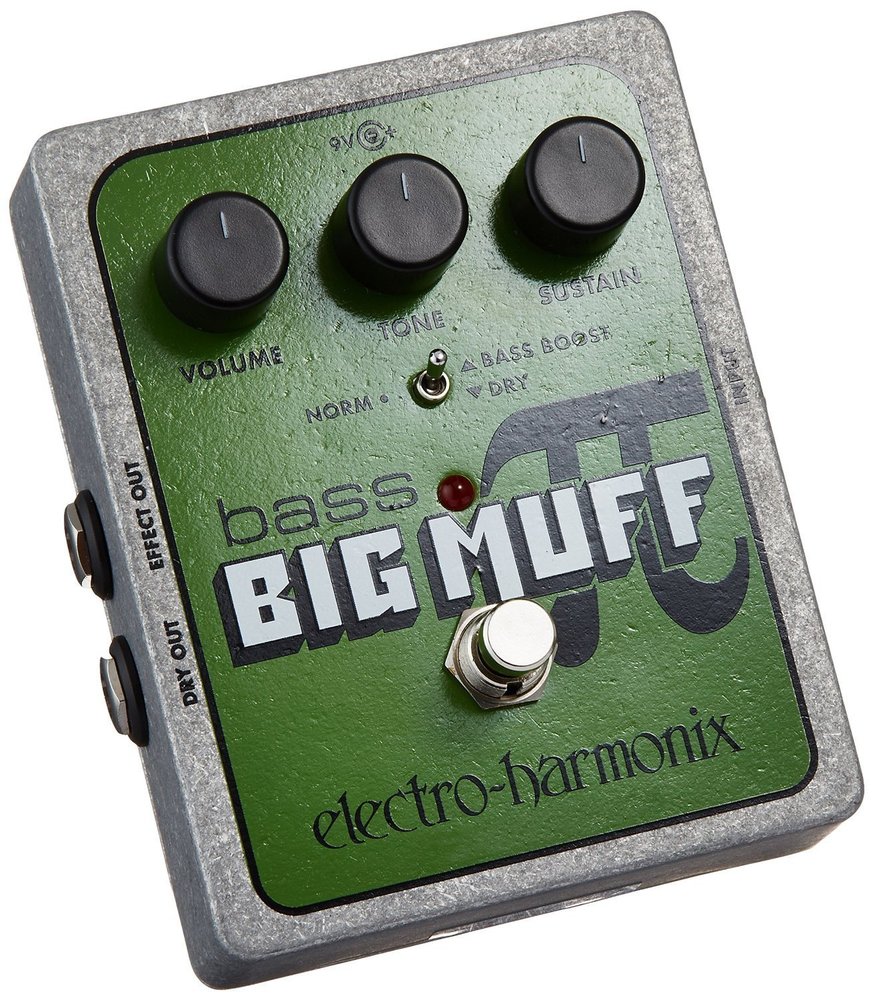
Big Muff Pi Fuzz Pedal
1980s
• Digital multi-effects units were developed
- Multiple different effects could be packaged up into one unit
- Effects could be synced across multiple channels

Roland Boss SCC-700
Multi-effects units significantly reduced the cost of achieving a professional quality sound
1990s
• Multi-effects pedals continued to grow in popularity, leading to various musicians releasing their own signature models
• Some vintage models were also becoming popular again and began to be used alongside digital units
- The resurgence of lo-tech guitar effects was partly due to Kurt Cobain and his success with Nirvana

Brian May’s Artist Edition of the Zoom 9002 Multi-function Pedal
2000s
• Effects and pedals are increasingly incorporating computer technology to achieve high levels of customisation for the user
• Many classic analogue pedals are being re-released, making it easier to use them in combination with modern effects
Vintage vs Reissued Ibanez Tube Screamer 808 Pedal
Wider Context Topic Timelines – Guitar Pedals
Why not check out one of these videos below to gain some wider knowledge:

 WLFS Music Technology