
1970s
• The first successful digital audio recordings were made by Thomas Stockholm using a computer-based system
• The first commercial digital recording to use a PCM (Pulse Code Modulation) system was created
- PCM is a method used to digitally represent analog signals and is the standard form of digital audio in computers, compact discs, and other digital audio applications
- Was stored to videotape rather than a dedicated digital audio storage medium due to the lack of development in the field
• Sony developed the PCM-1 adapter, which allowed for digital audio to be recorded onto standard video cassette tapes
- Started to bridge the gap between analogue video technology and digital audio
• The first commercial digital audio recordings were produced by Soundstream
- The system allowed for audio to be captured at 50kHz/16-bits which demonstrated the potential for high-fidelity (Hi-Fi) digital sound
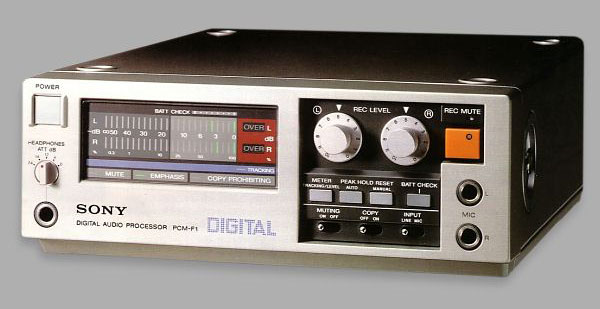
Sony PCM-1 Adapter
Early digital recordings had better sound quality compared to analogue recordings due to their reduced noise and distortion
Digital formats allowed for the preservation of audio recordings and could be copied without a loss in quality, unlike analogue formats which degrade over time
1980s
• The first commercial Compact Disc (CD) is released by Sony and Phillips
- They standardised the format resulting in a 120mm disc that uses opticål laser technology to read digital audio encoded in a 44.1kHz, 16-bit PCM format
- CDs offered superior sound quality and durability compared to vinyl records and cassette tapes which lead to their rapid rise in popularity
- CDs also provided a more convenient listening experience; the development of portable CD players allowed for consumers to enjoy their music on the go
• Sony introduces the Digital Audio Tape (DAT)
- Uses magnetic tape to store digital audio
- Offered higher fidelity and greater durability than analogue tape, but the recording industry was hesitant to adopt it due to concerns over digital copying
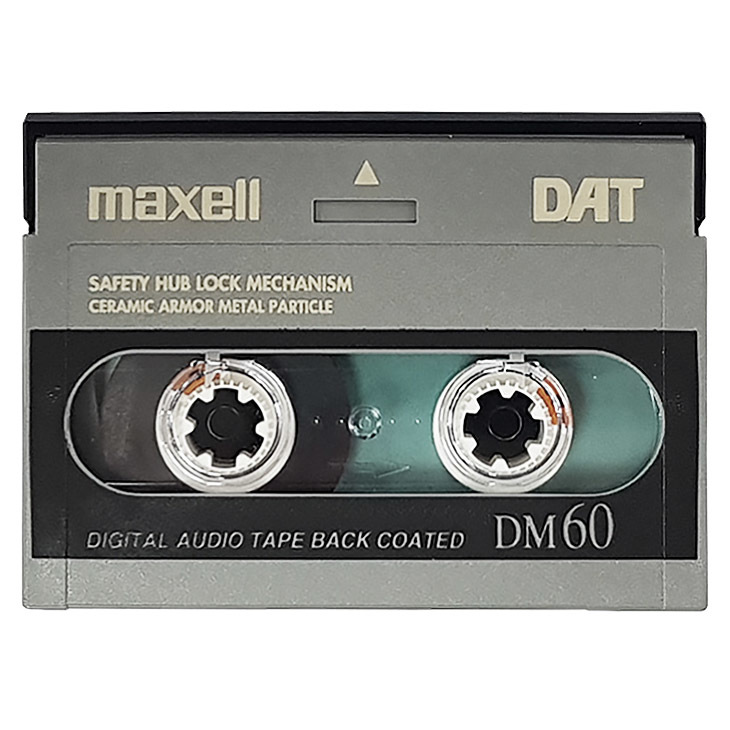
Digital Audio Tape (DAT)
CDs had a much wider dynamic range and frequency response compared to analogue formats, which allowed for clearer and more accurate sound reproduction
CDs could be mass-produced more efficiently than vinyl records, which reduced costs and increased availability
Consumers began to build digital music collections as their listening experience was enhanced by the ability to skip tracks and access specific songs via track indexing
1990s
• The Moving Picture Experts Group (MPEG) released the MPEG-1 standard, which includes the MP3 audio compression format
• The first MP3 encoder is released which allows users to create and share compressed audio files
- The small file size allowed users to store large music libraries on their hard drives and share files over the internet
• The Digital Versatile Disc (DVD) was introduced primarily as a video format, but supported high-quality digital audio formats such as Dolby Digital (AC-3) and DTS

MP3 Player
The MP3 format revolutionised music consumption by enabling easy sharing and storage of music on personal computers
The rise of the MP3 format also led to the creation of peer-to-peer (P2P) file-sahring networks like Napster and Limewire, which introduced challenges related to copyright infringement and digital piracy
2000s
• The iPod is released and becomes one of the most popular MP3 players due to its large storage capacity for MP3 files, allowing for even more music to be
• The iTunes store is launched, which gives consumers a legal service for digital music downloads
• Apple adopted the AAC (Advanced Audio Coding) format, a form of lossy compression that offered better sound quality at a similar bitrate to MP3
• The WMA (Windows Media Audio) format was promoted by Microsoft as an alternative to the MP3 and was integrated into various Windows-based devices and services
• Streaming services such as Rhapsody and Spotify were launched, providing on-demand, subscription-based access to a vast music library for consumers and royalty models that allowed artists to earn revenue from streams
• High-resolution (lossless) audio formats such as the FLAC (Free Lossless Audio Codec) and ALAC (Apple Lossless Audio Codec) gained popularity among audiophiles

iPod Classic
iTunes became a major revenue source for the music industry, shifting focus from physical album sales to digital singles and albums
Digital distribution platforms like Bandcamp and SoundCloud allowed independent artists to release music directly to consumers, bypassing traditional record labels
2010s
• The streaming/subscription model became the dominant form of music consumption with the rise in popularity of Spotify and the release of Apple Music and Amazon Music
- This impacted both how music was distributed and how artists were compensated
• Tidal is launched with an emphasis on offering high-fidelity audio and lossless streaming options targeted at audiophiles
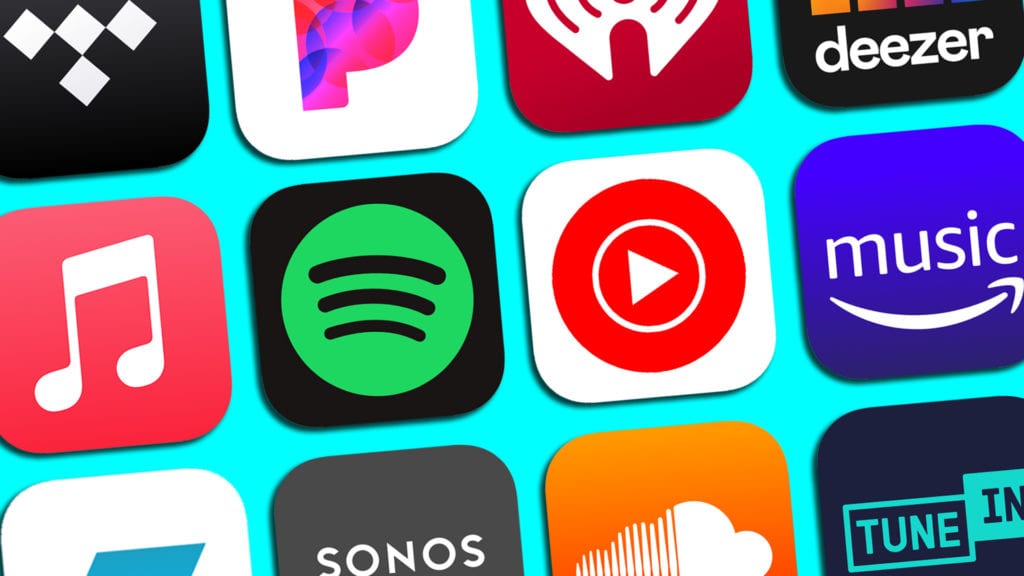
Various music streaming services
This period was marked by the democratisation of of music distribution, enabling independent artists to reach global audiences and shifting revenue models towards streaming-based compensation
On-demand access to music became the standard, influencing how music was released and marketed (singles and frequent releases became more common)
Wider Context Topic Timelines – Digital Consumer Formats
Why not check out one of these videos below to gain some wider knowledge:

 WLFS Music Technology