
1970s
• The groundwork for DAWs began with the development of digital recording technologies
- This period saw the transition from analogue to digital recording technologies
• As computer technology advanced, musicians and engineers began to explore the potential of using computers for music production tasks
• The Fairlight CMI was a groundbreaking development as it integrated digital sampling, synthesis, sequencing and editing capabilities into a single system
- While it was not a traditional DAW by modern standards, it gave a glimpse into the future of computer-based music production

Fairlight CMI
Digital recording offered several advantages over analogue including higher fidelity, reduced noise and the ability to manipulate recordings more precisely
1980S
• Various companies started to develop software and hardware for digital audio editing and MIDI sequencing
- The MIDI standard enabled seamless communication between electronic instruments, synths, drum machines and computers
- This laid the foundation for integrated music production workflows within DAWs
• In 1989, the release of Digidesign’s Sound Designer software marks the birth of the modern DAW
- This allows users to record, edit and mix digital audio

Digidesign Sound Designer Software
1990s
• Various different companies brought out their own DAWs
- Avid released their DAW, Pro Tools, which quickly became a standard in professional recording studios
- Steinberg released Cubase, one of the earliest DAWs with MIDI capabilities
- Apple released Logic, further expanding the the market for DAWs
• This period saw the rise of virtual instruments and audio plugins, which expanded the sonic possibilities within DAW environments
- Developers began creating software emulations of classic synthesisers, samplers and effects processors
• The increasing adoption of the internet also led to DAWs incorporating features for online collaboration and distribution
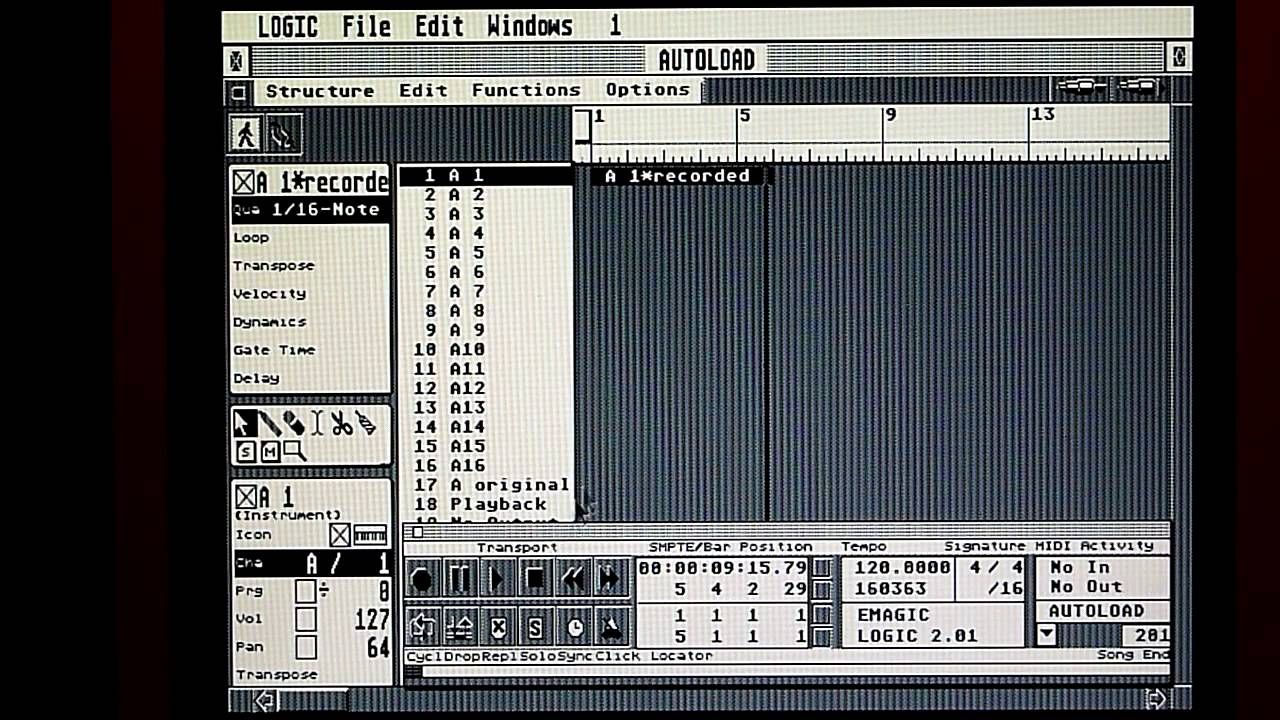
Apple Logic
The ability to collaborate remotely, share project files and distribute music globally along with the accessibility and affordability of DAWs leading to the rise in home studios created an explosion of creativity and diversity in the music industry
2000s
• User interfaces on DAWs were developed to better the user experience
- Ableton Live revolutionised electronic music production with its uniques session view
- FL Studio gained popularity for its user-friendly interface and powerful features
• DAW functionality was brought to mobile devices through software such as GarageBand for iOS
• Advances in computer processing power allowed DAWs to handle real-time audio processing and performance tasks more efficiently
- Allowed musicians to use live performance-orientated DAW setups where musicians could use laptops and MIDI controllers to create music onstage in real-time

EDM Duo Disclosure’s Live Stage Setup
The increase in accessibility helped to democratise music production, empowering musicians of all levels to create, collaborate and innovate in ways that were previously unimaginable
2010s
• Cloud collaboration is introduced by Avid for Pro Tools, allowing users to collaborate remotely on projects
• Soundtrap, a cloud-based DAW is released, enabling collaborative music production in real-time
• DAW developers also focused on improving cross-platform compatibility and interoperability, allowing for seamless project transfers between different software environments
• Accessibility and inclusivity were also being prioritised, making software more user-friendly and accommodating to users with disabilities
- Features like screen reader support, customisable interfaces and keyboard shortcuts improved accessibility for all users
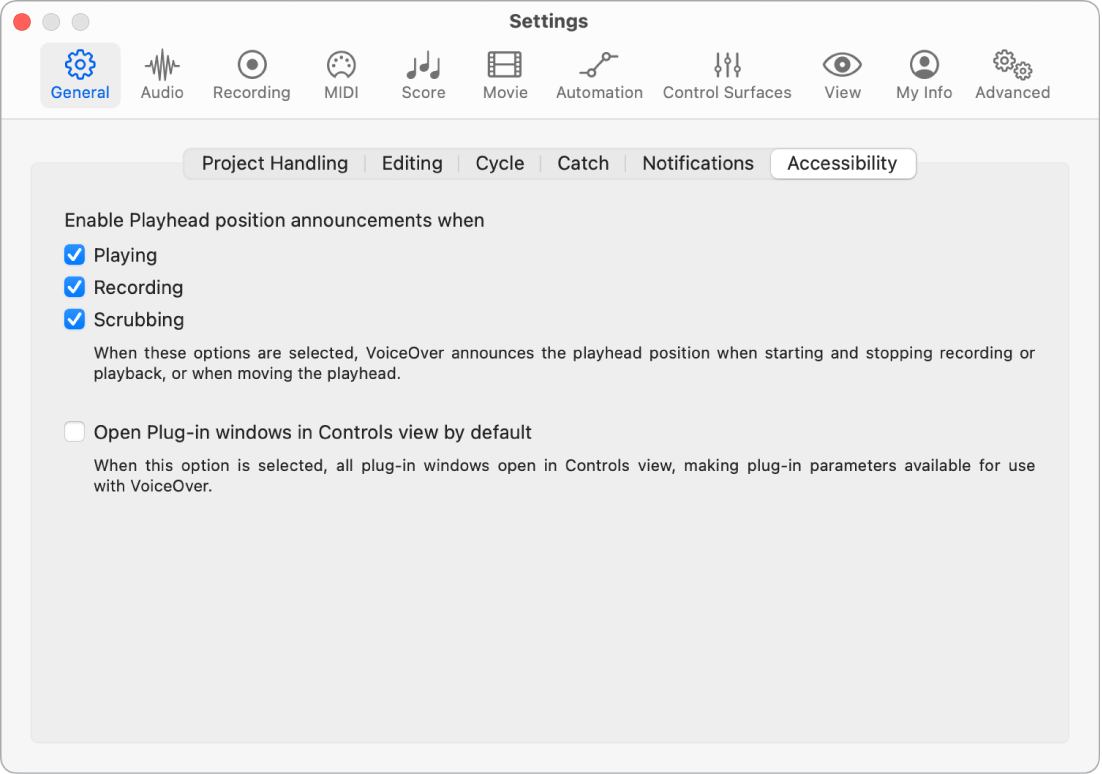
Logic Pro Accessibility Settings Menu
Wider Context Topic Timelines – DAWs
Why not check out one of these videos below to gain some wider knowledge:

 WLFS Music Technology