
1930s
· Magnetic tape was invented in 1928 but wasn’t used for recording music until the 30s
· Early recordings in the 30s were mainly experimental
· The first practical reel-to-reel tape recorders were used during WWII to broadcast ware propaganda

AEG Magnetophon
1940s
· The first successful commercial magnetic tape recorder was introduced, the Ampex 200A
· This allowed for editing, splicing, and overdubbing, which revolutionised the recording process
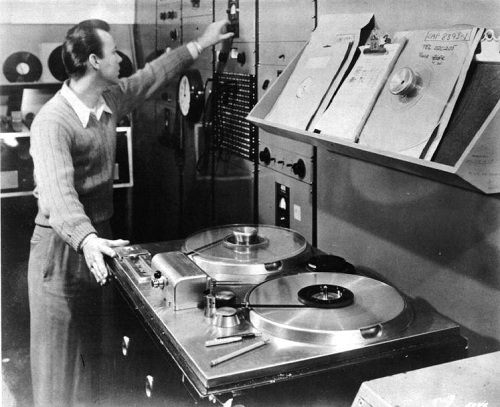
Ampex 200A Tape Recorder
Multitracking was only achievable by syncing multiple tape recorders
Early tape recorders had a limited frequency response and so couldn’t capture higher frequencies as accurately
Cutting and splicing tape was much more time consuming compared to digital audio editing
1950s
· The first stereo tape recorder was developed in 1956, the Ampex 300
· Reel-to-reel tape was the main way of recording higher quality tracks as the consumer demand for more “hi-fi” listening experience in their homes increased
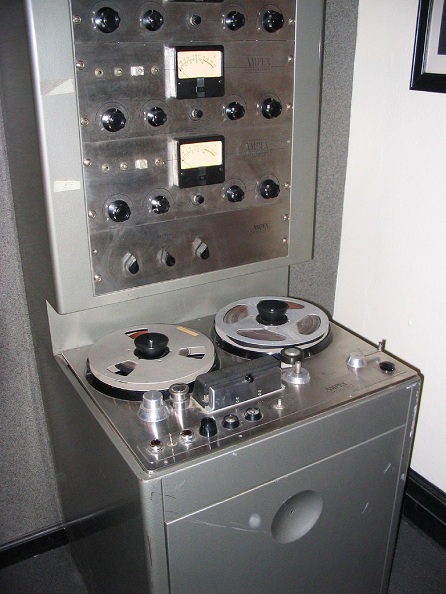
Ampex 300 Stereo Tape Recorder
Reel-to-reel tape machines were initially limited to one or two tracks
Multi-track recorders were developed to overcome this, but they required syncing multiple machines together and often resulted in reduced audio quality due to the use of multiple generations of tape
1960s
· Analogue tape technology played a big role in the development of rock’n’roll music
· Overdubbing was used extensively to create multilayered arrangements and experiment with new sounds
Analogue tape had a high noise floor, resulting in noise such as tape hiss being present on tracks
1970s
· The cassette tape increased in popularity from it’s creation in the 60s
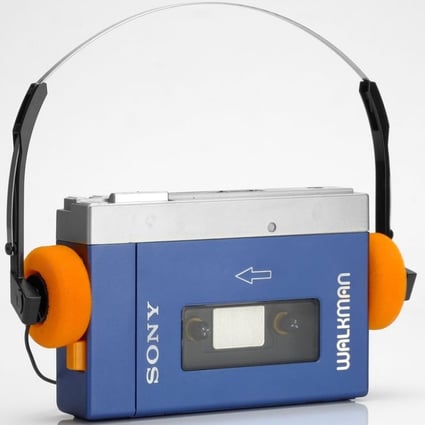
Sony Walkman Cassette Player
Cassette was easier to use and more portable than reel-to-reel tape
Noise reduction technology (Dolby) helped to increase the sound quality of cassette tapes
1980s
· Digital recording technology began to replace analogue tape as the preferred recording format
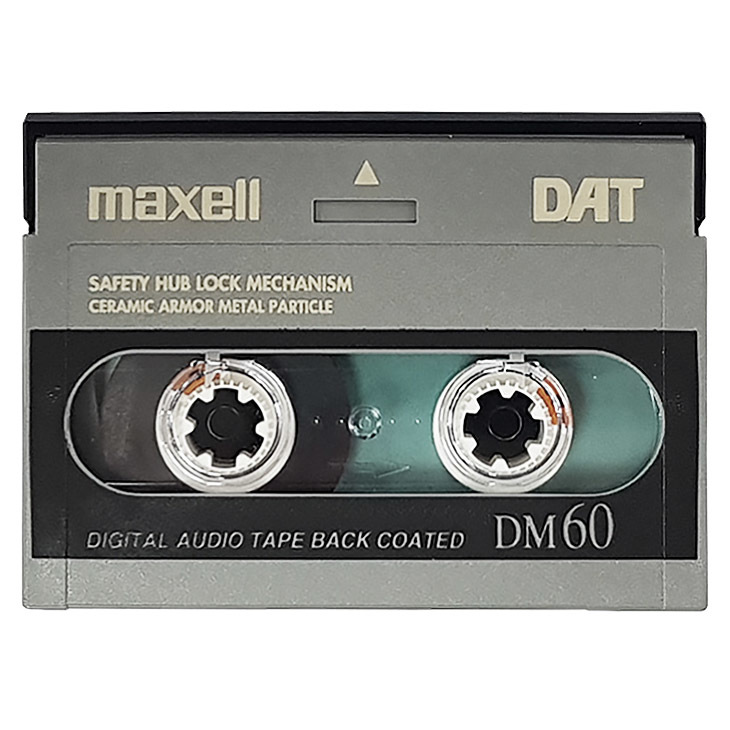
Digital Audio Tape (DAT) Cassette
Analogue tape requires a dedicated playback device (i.e a reel-to-reel player or a cassette player)
This limited the portability and flexibility of the format when compared to modern digital formats
Wider Context Topic Timelines – Analogue Tape
Why not check out one of these videos below to gain some wider knowledge:

 WLFS Music Technology