
LATE 1800s
• The Phonograph was invented by Thomas Edison in 1877
- It was the earliest device capable of recording and reproducing sound
- It used a wax cylinder as a recording medium
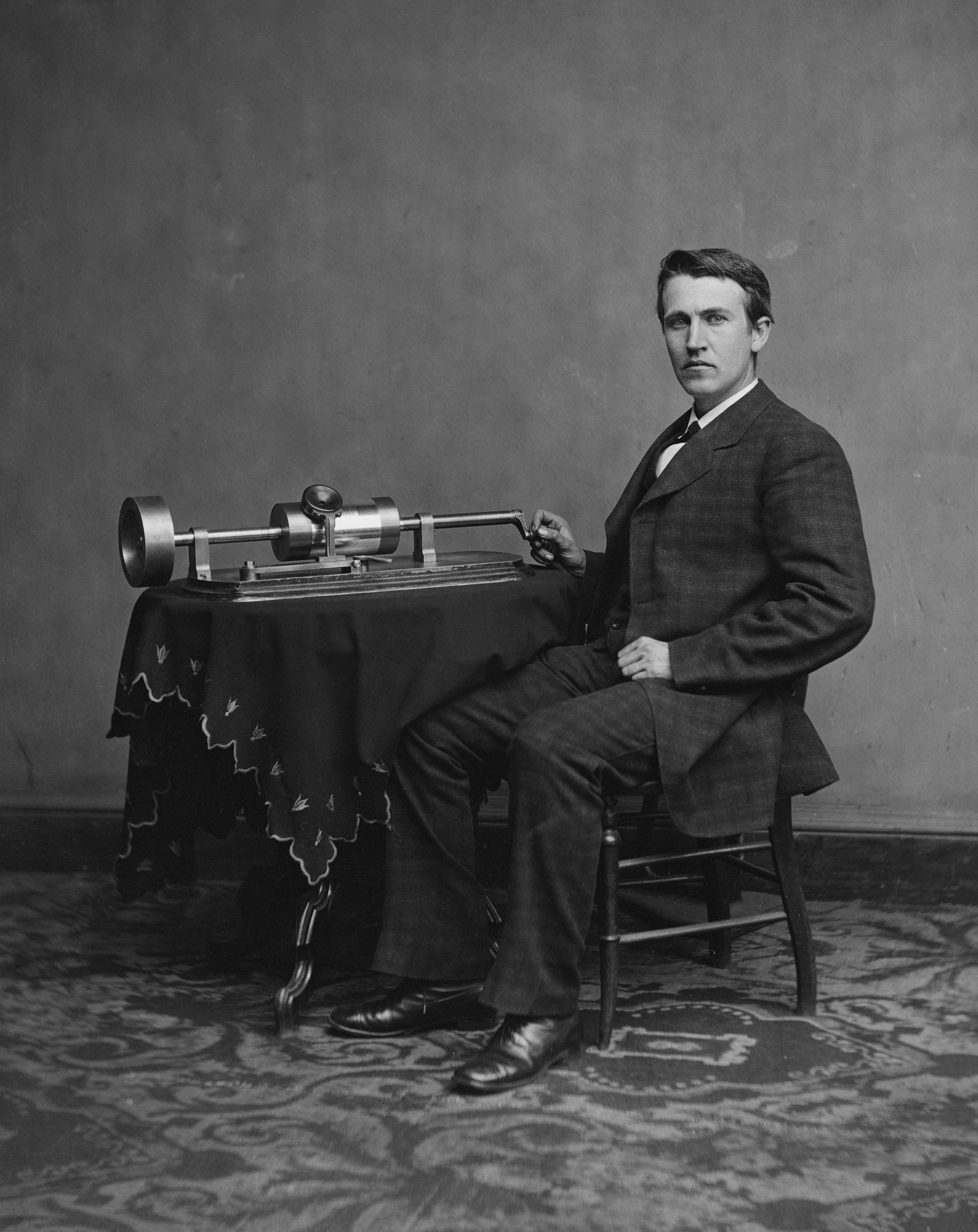
The Phonograph
Phonographs could only playback a limited number of times before wearing out due to the nature of the wax cylinders
• The Gramophone was created by Emile Berliner in 1887
- Used flat shellac disks instead of cylinders for recording and playback
- It became a popular consumer format for music

The Gramophone
Shellac disks were easier to mass produce and cheaper to distribute compared to wax cylinders
These innovations meant that music was now available to consumers beyond live performances
1920s
• Advancements in recording technology led to the transition from acoustic to electrical recording methods
- Resulted in higher fidelity audio and improved sound quality
- Allowed more accurate reproduction of musical performances
• The rise of radio broadcasting allowed for music to be distributed en masse to households globally
- Radio became a dominant medium for music consumption, shaping popular culture and influencing musical trends
• Standardised record speeds allowed for simpler production and distribution of music recordings
- The 78 RPM format became the standard for shellac disks at this time
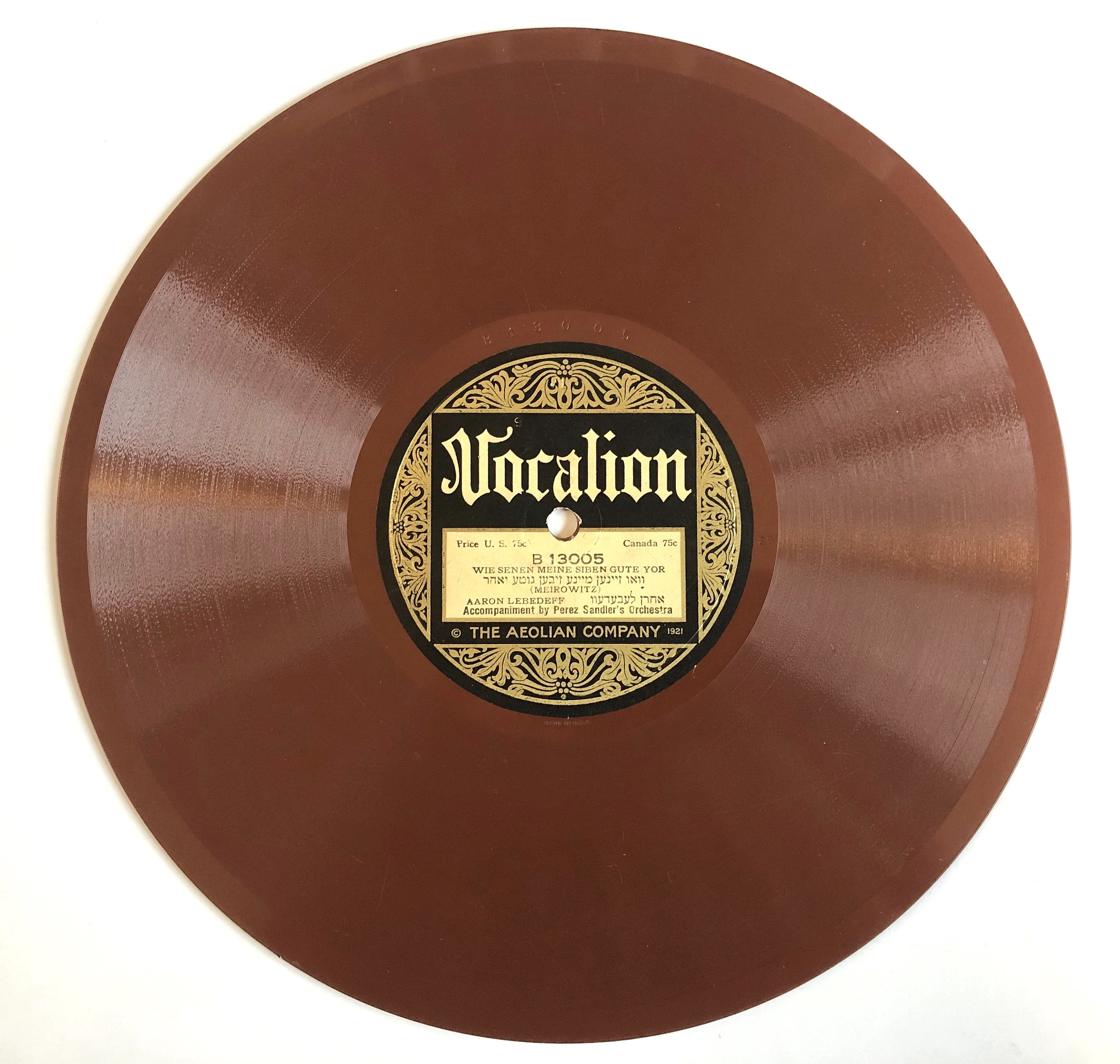
78 RPM Shellac Disc
Music consumption had its access widely expanded to a bigger, more global audience
1930s
• Vinyl records were introduced and quickly replaced shellac records
- More durable
- Improved sound quality
• LP (Long-Playing) records were introduced
- Allowed for extended playback times of up to 22 mins per side
- Enabled the distribution of full-length albums and classical compositions on a single disk
• Magnetic tape technology was invented and saw widespread adoption for recording and playback in later years
- Offered greater fidelity compared to earlier recording methods
- Provided the ability to make simple edits to recordings
• Advancements in microphone design, amplifier technology and studio equipment all improved the quality of recorded music
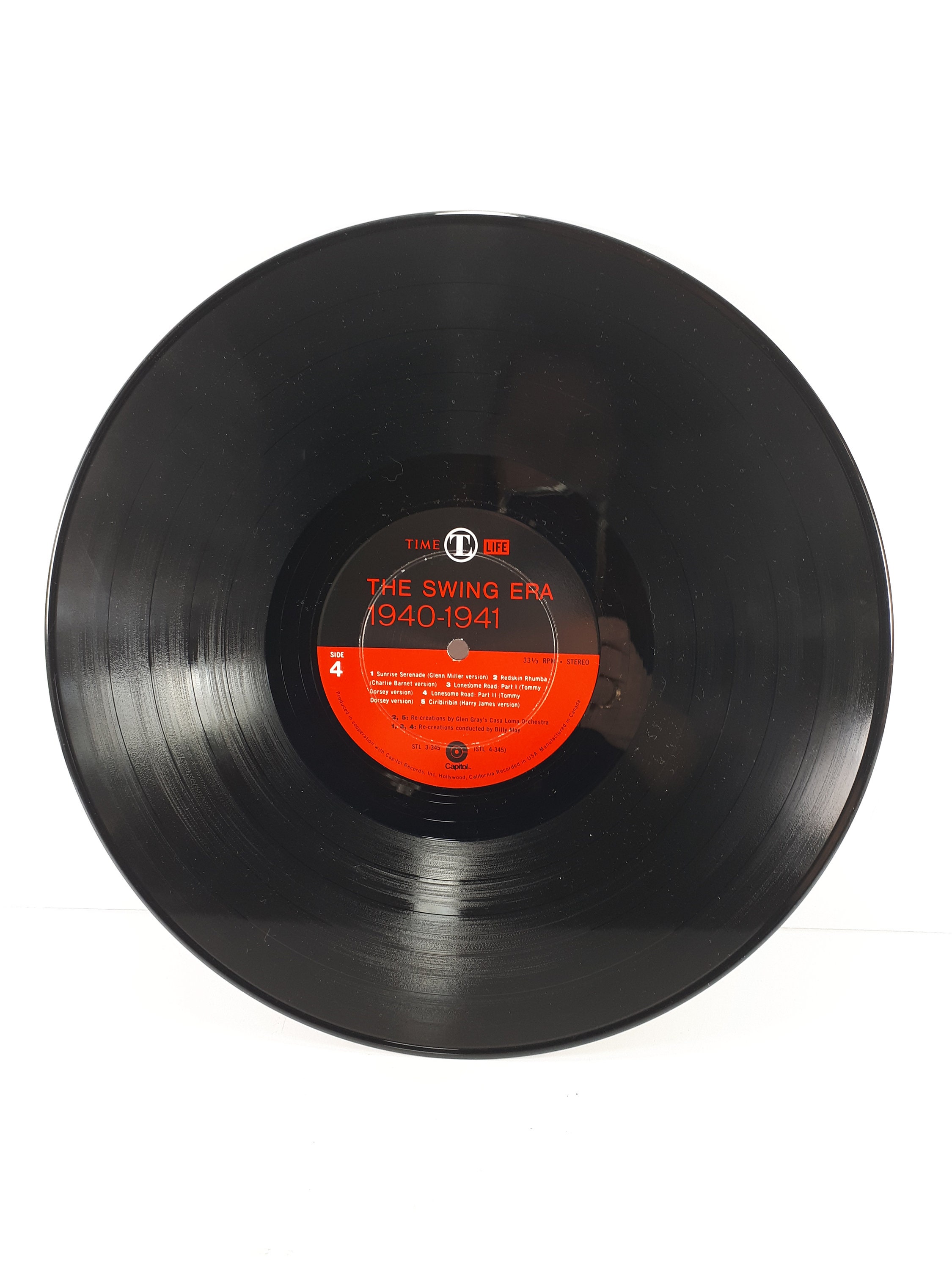
LP Vinyl Record
The availability of new audio formats and recording technologies allowed listeners to enjoy a wiser range of musical genres and artists
1940s
• Vinyl records became the dominant format for commercial audio recordings
- Improved manufacturing processes and materials allowed for higher fidelity and longer playing times
• Tape recording technology continued to advance
- Improvements in tape heads and recording equipment led to better sound quality in both professional studios and consumer tape decks
•Reel-to-Reel tape recorders became popular, allowing for the recording and playback of audio on magnetic tape reels
- Primarily used in professional settings but eventually found in consumer homes
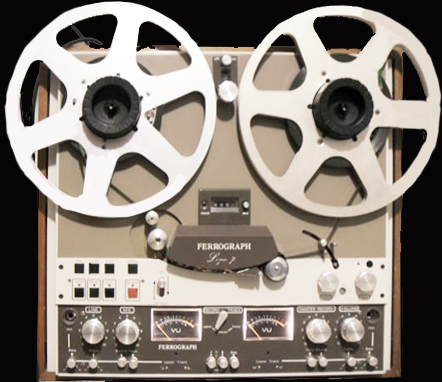
Reel-to-Reel Tape Recorder
World War II had a significant impact on music technology; the development of portable recording equipment like field recorders accelerated advancements in audio recording and playback
1950s
• The growing demand for singles as opposed to full albums saw the introduction of the 45 RPM disc
- Its smaller size and higher playback speed allowed for shorter recording times per side
• The adoption of stereo recording and playback technology revolutionised the listening experience
- Stereo listening created a more immersive and realistic soundstage for listeners
• This period also saw a rise in Hi-Fi audio equipment
- Amps, speakers and turntables were designed to reproduce sound with greater accuracy and fidelity
• The compact cassette was invented and would later become a popular consumer audio format due to its portability and convenience

Compact Cassette Tape
The widespread availability of music helped fuel the “teenage rebellion” era, where the popularity of rock’n’roll music along with the accessibility of records and radio broadcasts influenced youth culture globally
1960s
• Further improvements were seen in the vinyl format
- Higher quality recordings with reduced surface noise
•Stereo recording and playback became increasingly common in this period
- Many albums released in both mono and stereo formats
• The use of reel-to-reel tape recorders declined in favour of compact cassette decks due to their superior convenience and affordability
• This period saw competition between AM and FM radio formats
- AM Radio remained dominant for pop music and broadcasting
- FM gained popularity for its superior sound quality and ability to transmit stereo signals
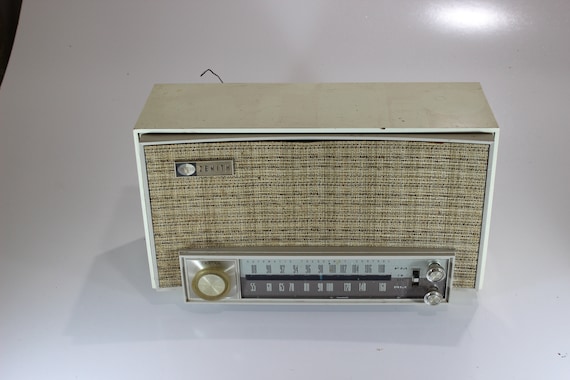
Zenith AM/FM Tube Clock Radio
1970s
• Vinyl continued to be the primary consumer audio format despite competition from newer formats such as cassette tapes
- Mainly due to its high fidelity and popularity among collectors for its large album artwork
• Cassette tapes started to gain popularity due to improvements in design and Dolby noise reduction technology resulting in better sound quality
- This rise in popularity also raised concerns about piracy and copyright infringement due to the ease with which consumers could copy and distribute music on cassette tapes

Dolby 361 A-type Noise Reduction Module
2000s
• Despite the dominance of digital music, vinyl records experienced a resurgence
- Mainly driven by audiophiles, collectors and enthusiasts
- Vinyl’s warm sound quality appealed to a niche market leading to its revival
- DJs continued to use vinyl records for live performances despite the availability of digital DJ equipment
- Record labels and artists embraced vinyl as a premium format for limited edition releases and special collector’s editions
• The popularity of cassettes declined as digital formats such as CDs and MP3s became more prevalent
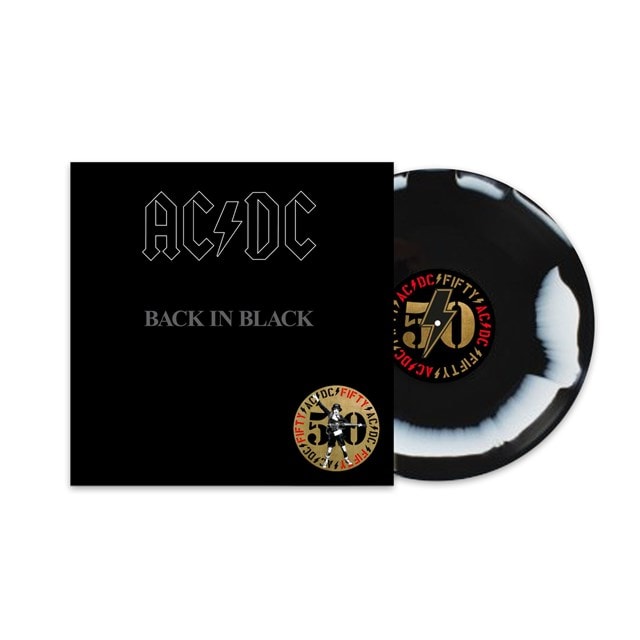
50th Anniversary AC DC ‘Back In Black’ Limited Edition Vinyl Record
Wider Context Topic Timelines – Analogue Consumer Formats
Why not check out one of these videos below to gain some wider knowledge:
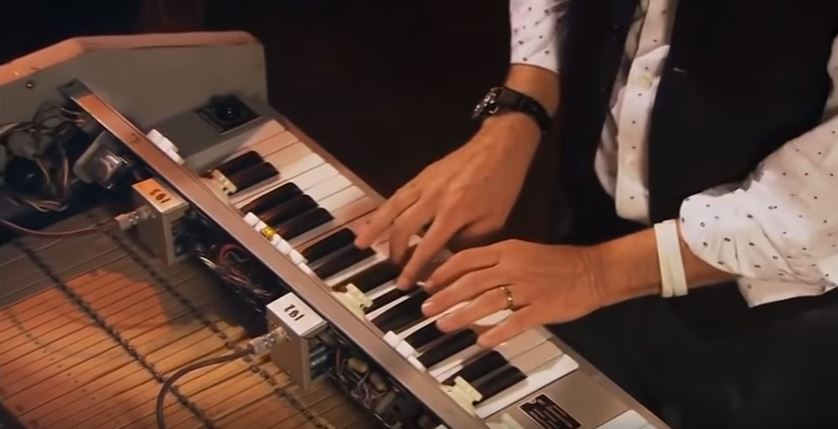

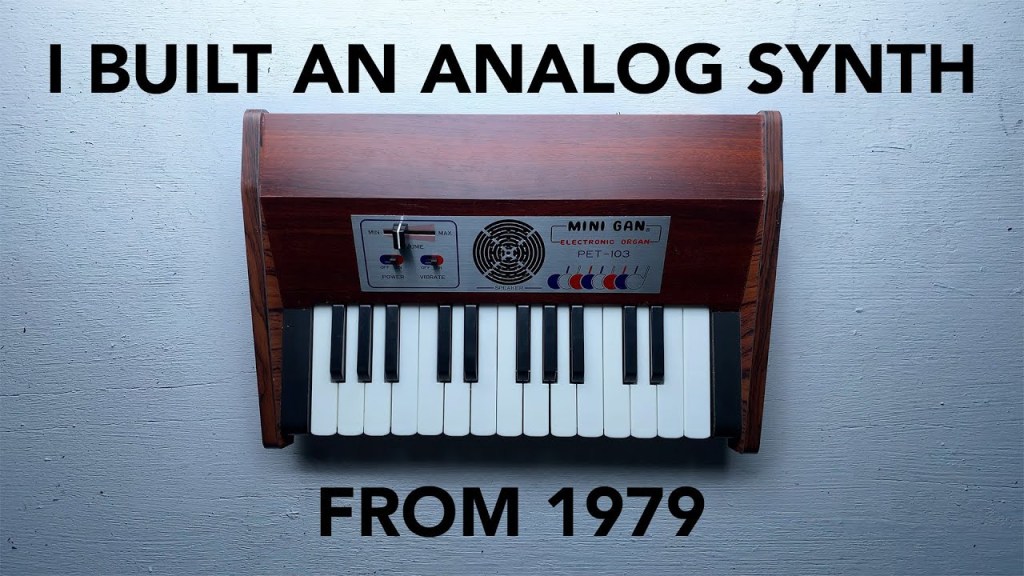
 WLFS Music Technology