
1930s
The Hammond Organ
•Provided a portable and versatile alternative to traditional pipe organs
•Major impact on jazz, gospel and rock music
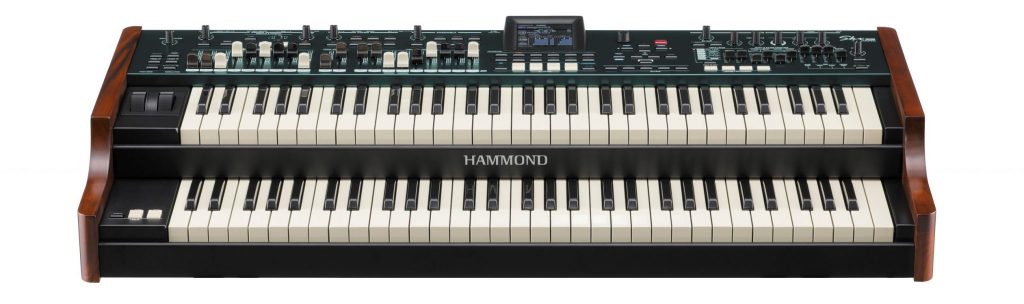
Hammond Organ
The Electric Violin
• Offered violinists the ability to amplify their sound via the use of pickups
- Early versions faced challenges in reproducing the acoustic violin’s timbre
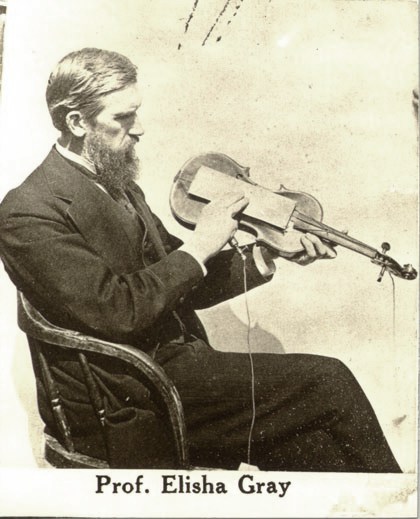
Early Electric Violin
The Electric Bass Guitar
• In the 1930s, various manufacturers began marketing versions of an electric upright bass however, Paul Tutmarc invented the first electric bass guitar
- Was more compact and portable
- Could be played horizontally
- Added frets to the fingerboard for added precision
• This invention allowed for easier amplification of the instrument in various genres of music

Early Electric Bass Guitar
1940s
The Electric Piano
• Harold Rhodes invented the electric piano, providing a more portable and versatile option for keyboardists
• The instrument featured built-in pickups and amplification systems, allowing for it to be easily connected to amplifiers
- Made it possible for keyboardists to achieve greater volume and projection in live performances, overcoming the limitations of acoustic pianos in noisy environments
• Its invention also influenced the development of synthesisers and electronic keyboards along with digital emulations of itself
• Very popular in jazz, funk and rock music
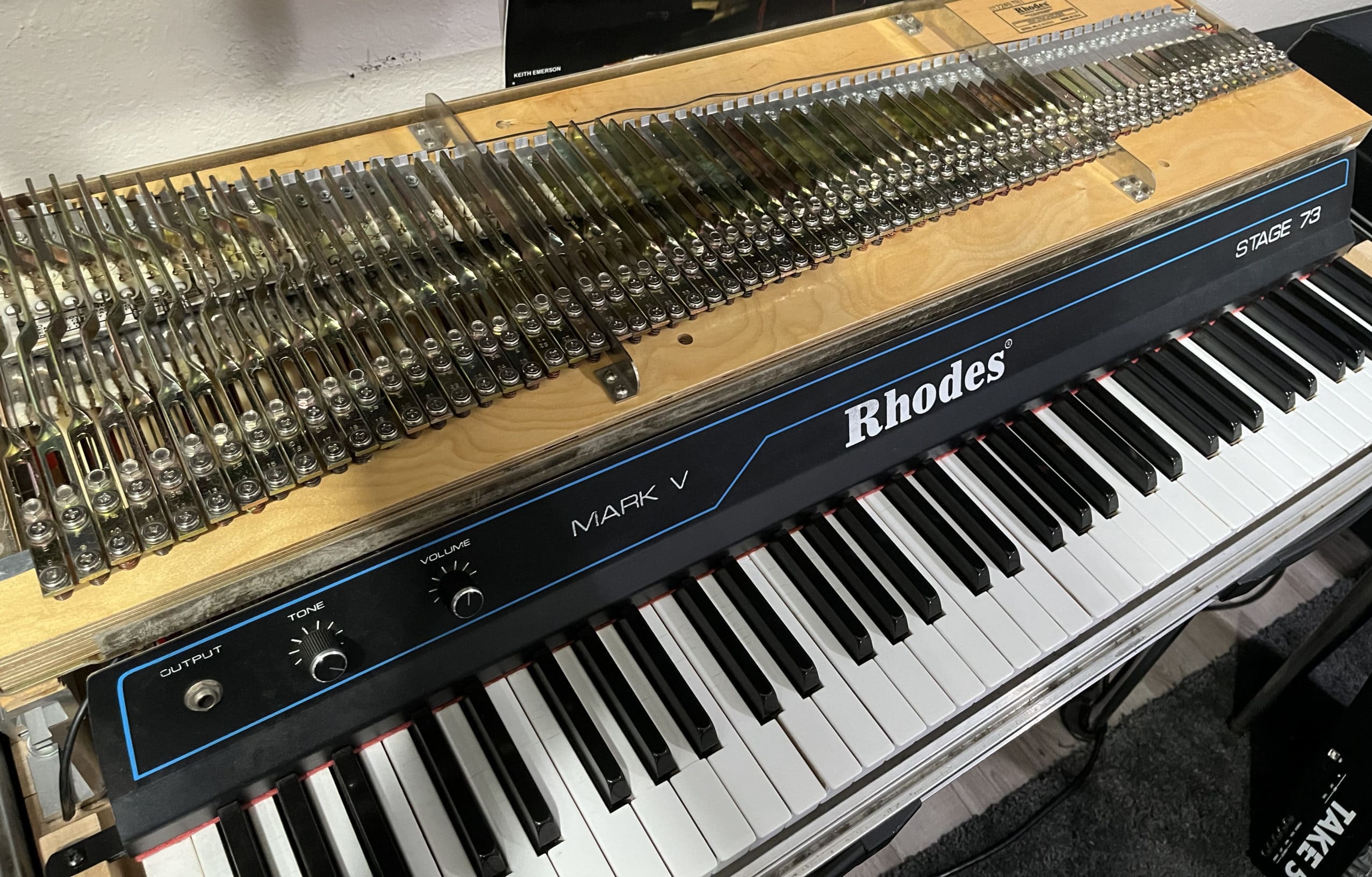
Rhodes Mark V Electric Piano
1950s
The Clavinet
• The Clavinet’s distinctive sound contributed to the evolution of funk and disco music
• It’s timbre is similar to that of a harpsichord or guitar, however, its mechanical limitations such as a lack of sustain restrict its use in certain musical contexts

Hohner Clavinet D6
The Wurlitzer Electric Piano
• This take on the electric piano offered a brighter and more percussive sound compared to traditional pianos
• Very prominent in genres like rock, soul and R&B
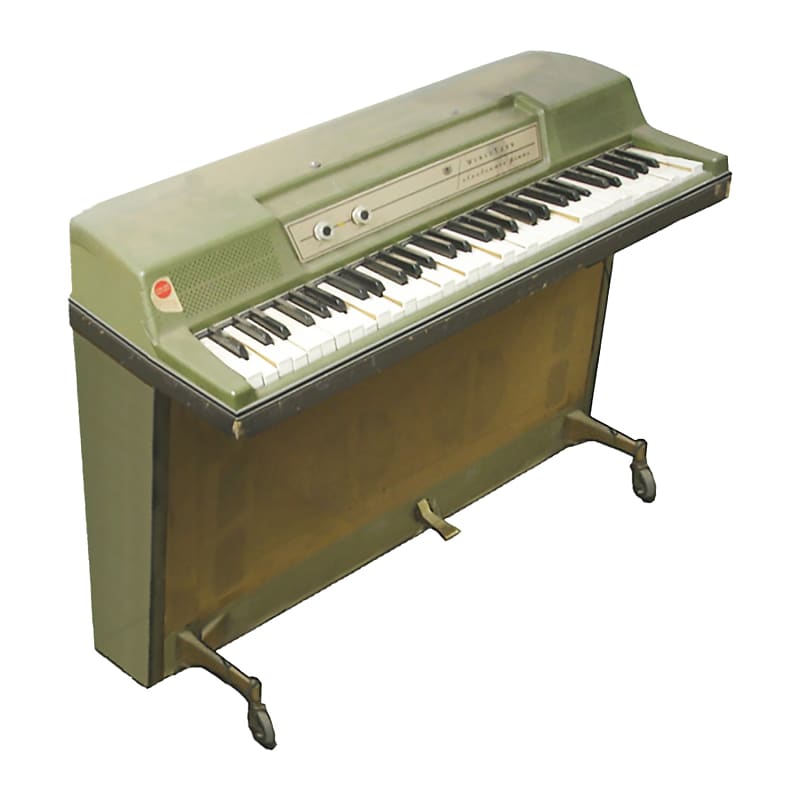
Wurlitzer 206A Keyboard
1960s
The Moog Synthesiser
• The invention of the Moog synthesiser revolutionised electronic music production with its modular design and programmable sound synthesis capabilities
• It helped to introduce the concept of voltage-controlled synthesis to the music industry
• It also expanded the sonic palette available to musicians, allowing them to create sounds that were previously impossible with only acoustic instruments
- This led to the emergence of entirely new genres of music including electronic, ambient and experimental music
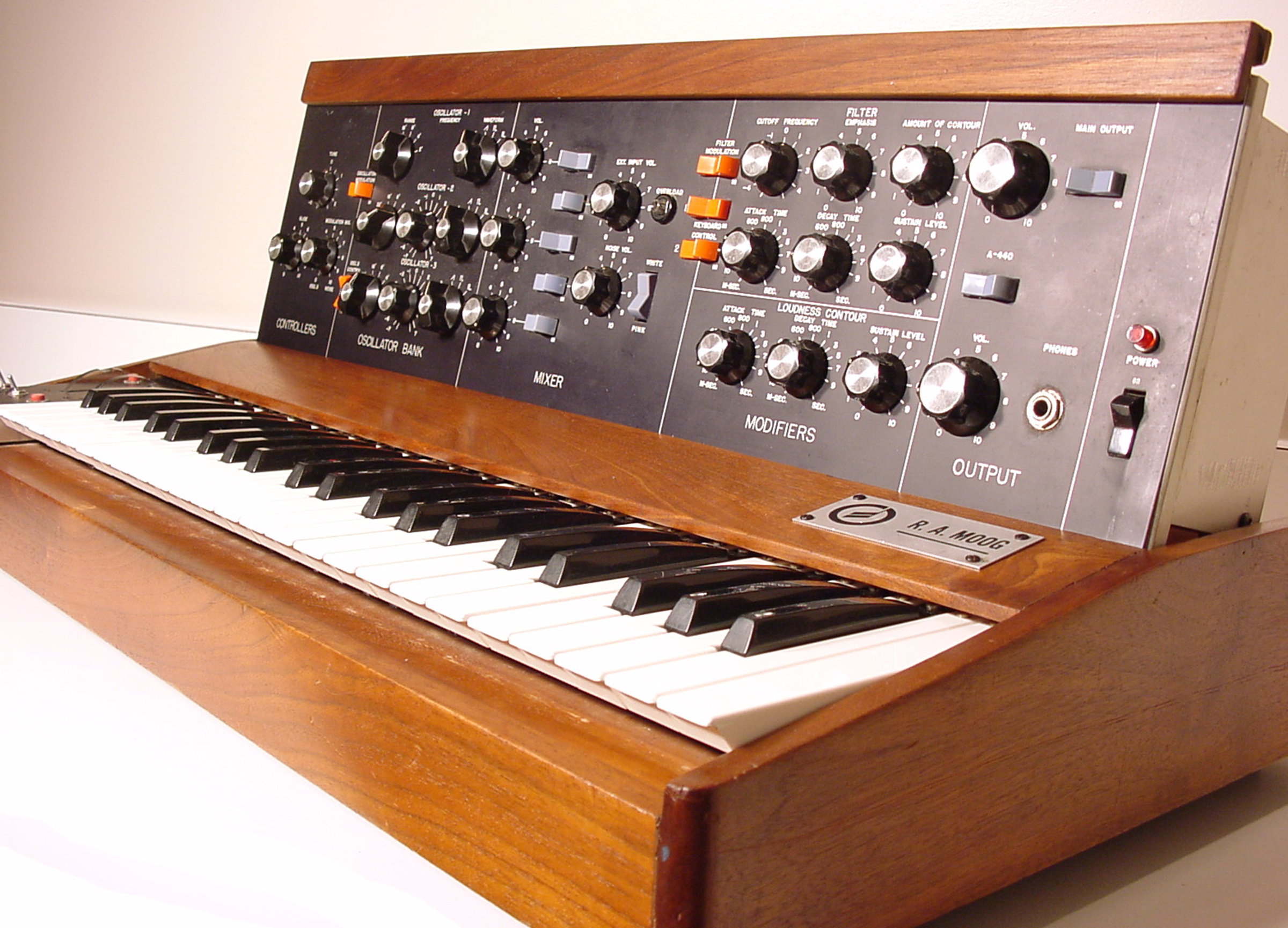
Moog Synthesiser
1970s
The Yamaha DX7
• The Yamaha DX7 synthesiser popularised digital synthesis techniques and the use of FM synthesis, which led to advancements in electronic music production and sound design
- FM synthesis allowed for the creation of complex and dynamic sounds that were difficult or impossible to achieve with analogue synths
• Compared to earlier analogue synths, the DX7 was more compact, lightweight and affordable, making it accessible to a wider range of musicians

Yamaha DX7 Synthesiser
1980s
The Roland TR-909
• The TR-909 drum machine became a staple in electronic music production and shaping the sound of techno, house and hip-hop music
• It was one of the first drum machines to combine analogue synthesis with digital sequencing capabilities
• The TR-909 also introduced real-time pattern sequencing capabilities, allowing users to program drum patterns on the fly and create complex rhythms with ease
• It was among the first drum machines to incorporate MIDI connectivity, enabling seamless integration with other MIDI-compatible instruments and equipment
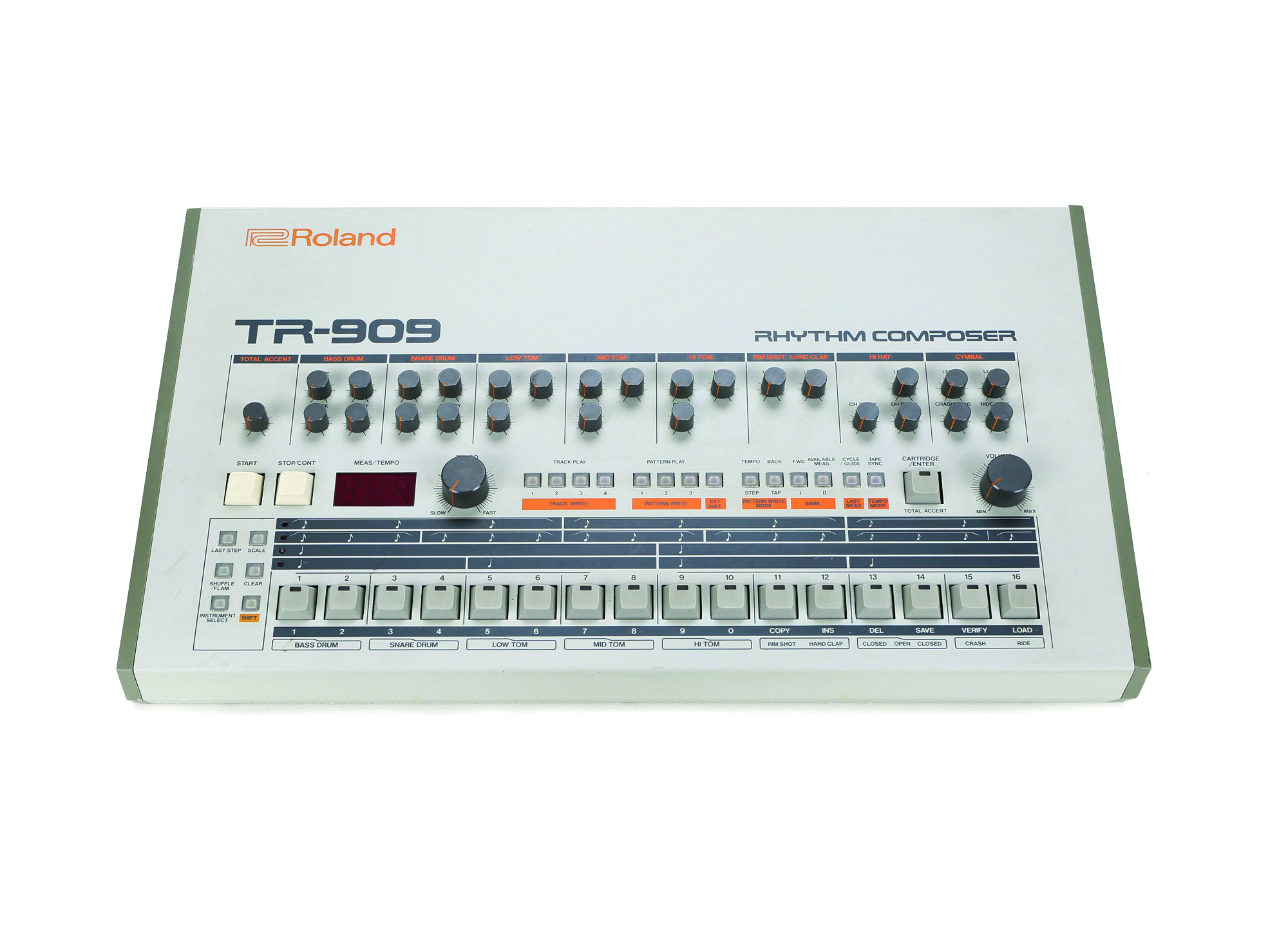
Roland TR-909 Drum Machine
1990s
The Akai MPC2000
• The Akai MPC2000 sampling workstation combined sampling, sequencing and drum programming capabilities in one unit, revolutionising beat-making and music production
• The workstation’s built-in sampler allowed users to sample sounds from external sources such as vinyl records, CDs or instruments and manipulate them in various ways
• The MPC2000 also offered extensive drum programming capabilities
- Velocity-sensitive pads for triggering drum sounds
- Quantisation options for tightening up rhythms
- Swing settings for adding groove and feel to sequences
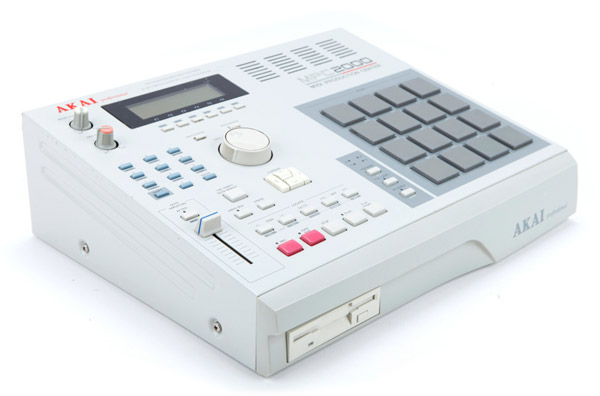
Akai MPC2000 Sampling Workstation
Wider Context Timelines – Electric Instruments
Why not check out one of these videos below to gain some wider knowledge:
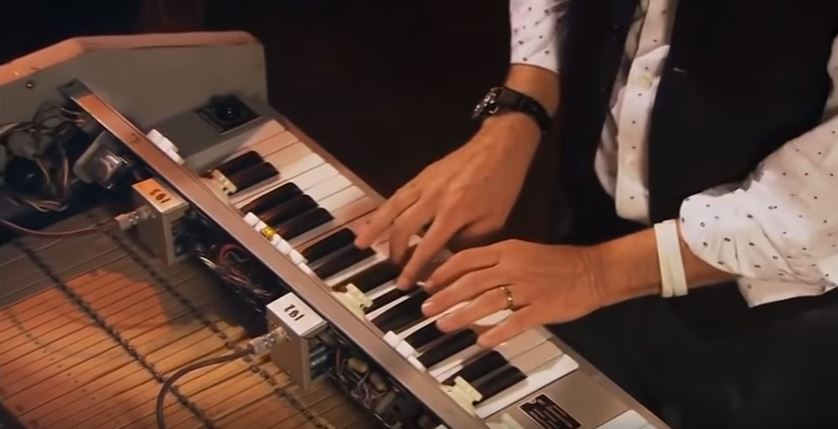

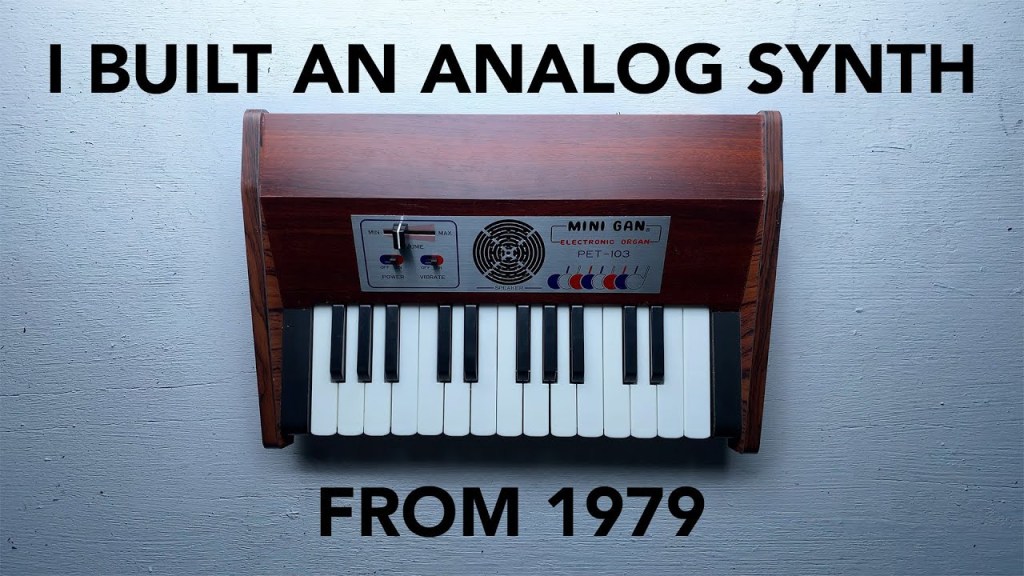
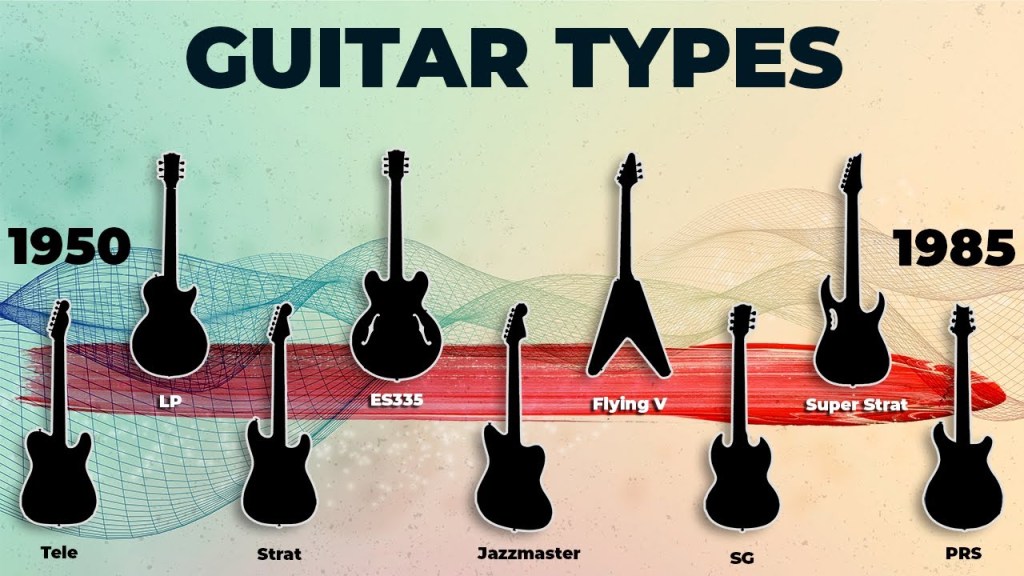
 WLFS Music Technology